You can look at a picture for a week and never think of it again. You can also look at a picture for a second and think of it all your life. - Joan Miro


1. Overall Rating (0–10) — 7.0
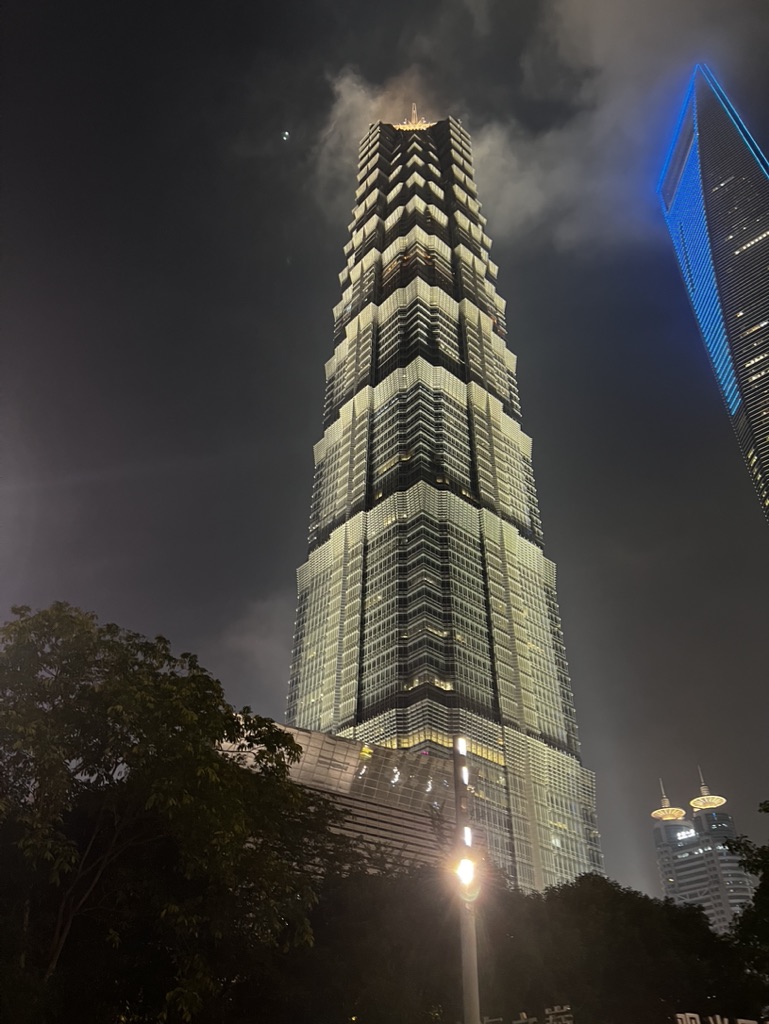
This nighttime cityscape captures the imposing grandeur of a modern skyscraper, its illuminated facade piercing the dark sky with a sense of vertical ambition. The contrast between the warm glow of the building and the cool blue of the adjacent structure creates a striking visual dialogue, while the silhouetted trees and streetlight ground the image in an urban reality. Though the composition is strong, the slightly uneven exposure and hazy atmosphere temper its overall impact, leaving the scene feeling more documentary than cinematic.
2. Composition (0–10) — 7.0
The low-angle perspective emphasizes the tower’s height, while the diagonal line of the neighboring building adds dynamic tension. The inclusion of trees and a streetlight in the foreground provides depth and context, though the framing feels slightly off-center, creating an imbalance.
3. Lighting (0–10) — 7.0
The interplay of warm interior lights and cool ambient illumination enhances the building’s architectural texture. The night sky and scattered clouds add depth, though some areas are underexposed, losing detail in the darker zones.
4. Color & Tone (0–10) — 7.5
The contrast between the warm white of the central tower and the cool blue of the adjacent structure creates a compelling color harmony. The dark tones of the sky and foliage provide a dramatic backdrop, enhancing the luminosity of the lights.
5. Creativity (0–10) — 7.0
The image captures a bold urban moment with an emphasis on scale and modernity. The juxtaposition of architecture and nature, though subtle, adds narrative depth, suggesting a city that grows beyond the concrete.
6. Technical Quality (0–10) — 6.5
Sharpness is generally good, though some areas—particularly the darker regions—lack clarity due to low light. The exposure is uneven, with highlights slightly blown out and shadows deepened by haze.
7. Emotional Impact (0–10) — 6.5
The photograph evokes awe and quiet contemplation, capturing the scale and energy of a modern metropolis. While it conveys the majesty of urban design, the hazy atmosphere and lack of human presence keep the emotional connection at a distance.


1. Overall Rating (0–10) — 6.0
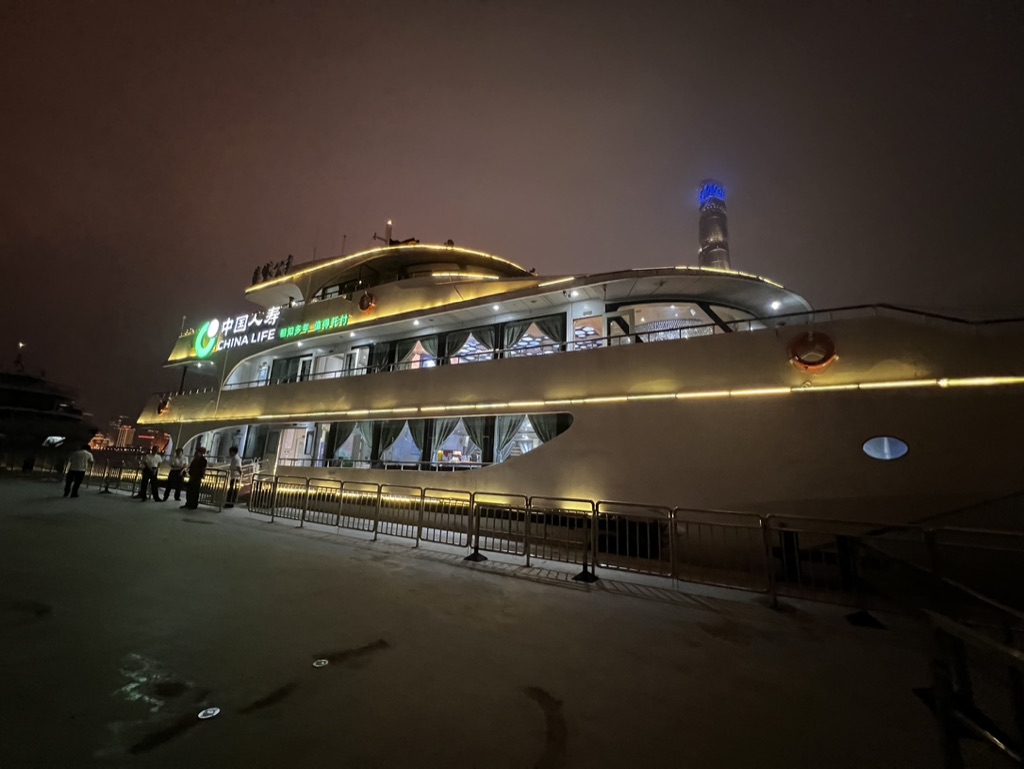
This nighttime photograph captures a modern river cruise vessel moored at a dock, its warm lighting contrasting with the cool, hazy sky. The scene conveys a quiet urban stillness, with the soft glow of the boat’s illumination and the distant tower suggesting a city at rest. While the image effectively communicates the mood of a tranquil evening, the lack of dynamic composition and slightly dull lighting prevent it from feeling truly immersive or artistically compelling.
2. Composition (0–10) — 6.0
The boat is angled diagonally across the frame, creating a sense of movement and depth, but the wide, empty foreground and cluttered railing detract from the visual focus. The placement of people on the left adds scale but feels incidental, and the framing could be tighter to emphasize the vessel’s design.
3. Lighting (0–10) — 5.5
The warm, linear lighting along the boat’s hull creates a welcoming glow, but the overall scene is underexposed, with a hazy, overcast atmosphere that flattens the image. The distant blue-lit tower adds a subtle point of interest, but the lack of contrast between light and shadow diminishes atmospheric depth.
4. Color & Tone (0–10) — 5.5
The palette is dominated by muted golds and grays, with the green and blue neon signage offering small pops of color. While the tonal harmony is consistent, the overall color temperature feels slightly cold and lifeless, undermining the potential warmth of the scene.
5. Creativity (0–10) — 5.0
The image functions as a straightforward documentary capture rather than a creative interpretation. The subject is recognizable and well-structured, but the lack of a strong visual narrative or artistic framing limits its originality.
6. Technical Quality (0–10) — 6.5
The image is sharp and free of motion blur, with clear details visible in the boat’s structure and signage. However, the low-light conditions result in visible noise and a loss of detail in the darker areas, particularly in the background.
7. Emotional Impact (0–10) — 5.5
The photograph evokes a quiet, contemplative mood, suggesting the calm of a city at night after the day’s activity has subsided. While it conveys a sense of place, the emotional resonance is subdued, leaving the viewer more as an observer than an engaged participant.


1. Overall Rating (0–10) — 7.0
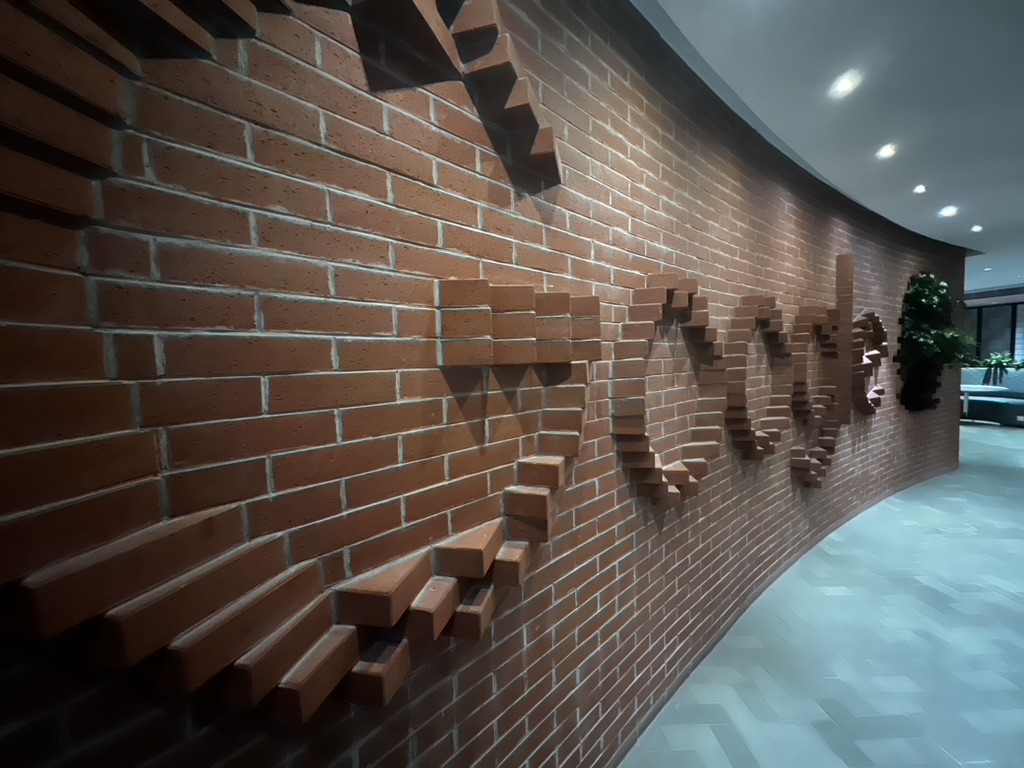
This photograph captures a striking architectural detail—a three-dimensional brick wall sculpture—where form and texture converge in a modern, minimalist setting. The curved wall and tactile interplay of protruding bricks create visual rhythm and depth, drawing the eye along the space. While the image successfully highlights the craftsmanship and design intent, its subdued lighting and slightly cool tone temper the emotional warmth one might expect from such a rich material.
2. Composition (0–10) — 7.5
The curved wall guides the viewer’s gaze naturally from left to right, creating a sense of movement. The diagonal arrangement of the sculpted bricks adds dynamic tension, and the use of negative space on the right balances the visual weight. A tighter framing could further emphasize the texture and detail, but the current perspective effectively conveys the scale and flow of the installation.
3. Lighting (0–10) — 6.0
Overhead spotlights cast soft, directional light that enhances the relief of the brickwork, though some areas remain underlit, losing subtle texture. The overall illumination is functional but lacks dramatic contrast, which limits the depth and mood of the scene.
4. Color & Tone (0–10) — 6.5
The warm terracotta of the bricks contrasts with the cool gray flooring and neutral ceiling, creating a balanced yet slightly clinical palette. While the color temperature is consistent, the lack of vibrancy in the brick tones gives the image a subdued, almost muted appearance.
5. Creativity (0–10) — 8.0
The use of bricks as a sculptural medium demonstrates strong conceptual intent, transforming a standard material into a dynamic, architectural statement. The integration of textural and spatial elements elevates the piece beyond mere decoration into a form of architectural storytelling.
6. Technical Quality (0–10) — 7.5
Sharp focus across the wall ensures clarity in the brickwork, and the exposure is well-balanced despite the low-light conditions. The camera angle and depth of field are appropriate, capturing both detail and context effectively.
7. Emotional Impact (0–10) — 6.5
The image evokes a sense of quiet sophistication and modernity, inviting contemplation of materiality and design. While it communicates structural elegance, the lack of human presence or narrative context keeps the emotional connection somewhat restrained.


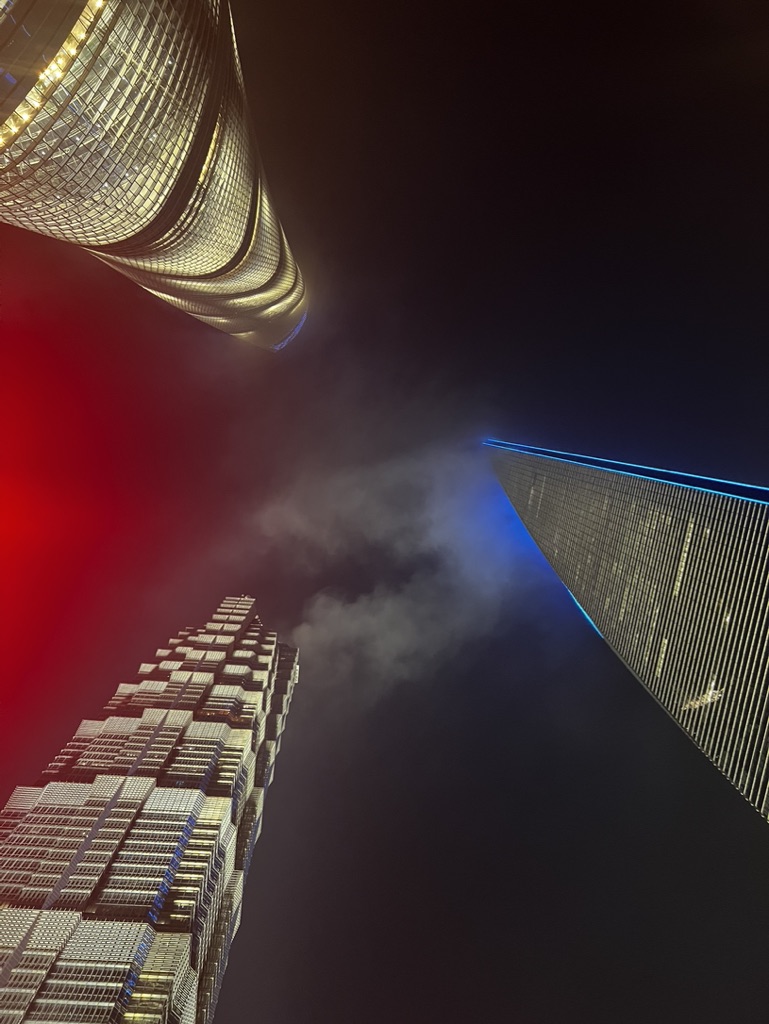
1. Overall Rating (0–10) — 7.5
This nighttime cityscape captures the bold, futuristic architecture of three iconic skyscrapers with a dramatic sense of scale and movement. The low-angle perspective and dynamic lighting create an immersive, almost cinematic atmosphere, drawing the viewer into a world of urban grandeur. While the composition is striking, the heavy color casts and atmospheric haze slightly obscure the clarity of the structures, holding back its full visual potential.
2. Composition (0–10) — 8.0
The diagonal arrangement of the towers creates strong visual tension and guides the eye across the frame. The low-angle perspective enhances the sense of height and dominance, while the central void of the dark sky allows the illuminated structures to stand out as focal points.
3. Lighting (0–10) — 7.0
The interplay of artificial lights—warm gold on the left, cool blue on the right, and a bold red glow on the lower left—adds depth and mood. The lighting effectively highlights the architectural details, though the uneven distribution creates a slightly chaotic feel that disrupts visual harmony.
4. Color & Tone (0–10) — 7.5
The bold color contrasts—red, blue, and gold—create a vibrant, futuristic palette that enhances the image’s dramatic tone. The dark, moody sky provides a strong backdrop, allowing the illuminated elements to pop with intensity.
5. Creativity (0–10) — 8.0
The image demonstrates a strong artistic vision, using unconventional angles and color treatment to transform a familiar urban scene into something bold and imaginative. The inclusion of mist adds a layer of mystery and motion, enhancing the storytelling.
6. Technical Quality (0–10) — 7.5
The image is sharp and well-exposed, with clear details visible in the building facades. The camera’s focus is precise, and the long exposure manages the motion of the mist effectively, though slight noise is present in the darker areas.
7. Emotional Impact (0–10) — 8.0
The photograph evokes awe and wonder, capturing the energy and ambition of a modern metropolis. The dramatic lighting and towering forms inspire a sense of scale and possibility, resonating with both admiration and slight unease in the face of such monumental architecture.


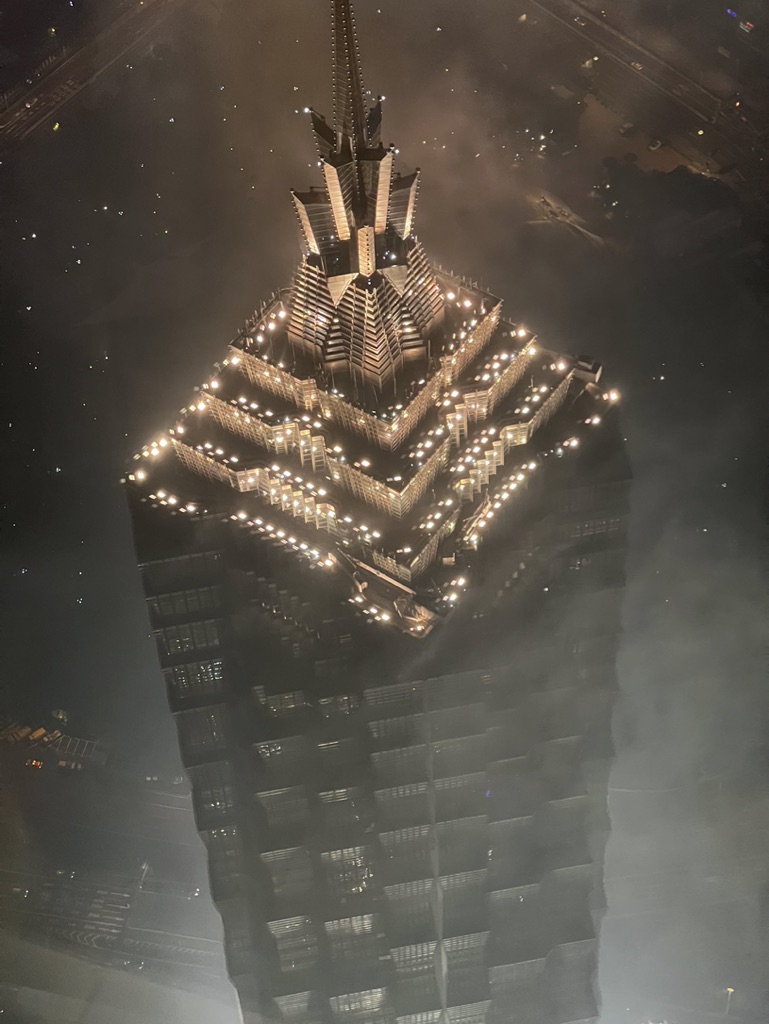
1. Overall Rating (0–10) — 7.0
This photograph captures the majestic silhouette of a skyscraper piercing through a misty night sky, its illuminated crown glowing like a beacon of modernity. The interplay of light and fog creates a dramatic, almost cinematic atmosphere, emphasizing the building’s architectural grandeur. While the image is visually striking, the heavy fog and slightly tilted perspective temper its overall clarity and impact.
2. Composition (0–10) — 6.5
The angled, bird’s-eye view centers the building effectively, but the slight tilt introduces a sense of instability. The surrounding fog reduces visual depth, and the lower portion of the frame lacks compositional weight, drawing attention upward but leaving the base feeling underdeveloped.
3. Lighting (0–10) — 8.0
The warm, golden illumination of the building’s crown contrasts beautifully with the dark, hazy surroundings, creating a strong focal point. The ambient glow from the city below adds depth and realism, while the fog softens the light, enhancing the ethereal mood.
4. Color & Tone (0–10) — 7.0
The palette is dominated by deep blacks and warm yellows, creating a moody, nocturnal atmosphere. The contrast between the lit structure and the dark, misty environment is effective, though the limited color range slightly reduces vibrancy.
5. Creativity (0–10) — 7.5
The perspective and timing—capturing the building emerging from fog—demonstrate a thoughtful approach to urban night photography. The image evokes a sense of awe and mystery, transforming a structural subject into something almost mythic.
6. Technical Quality (0–10) — 7.0
The image is sharp in the illuminated sections, with good detail on the building’s crown. However, the fog and low-light conditions introduce some grain and softness in the darker areas, and the framing could be tighter to emphasize the structure’s verticality.
7. Emotional Impact (0–10) — 7.5
The photograph conveys a powerful sense of isolation and grandeur, inviting the viewer to contemplate the relationship between human ambition and the natural world. The misty atmosphere and glowing tower evoke both wonder and a quiet melancholy.


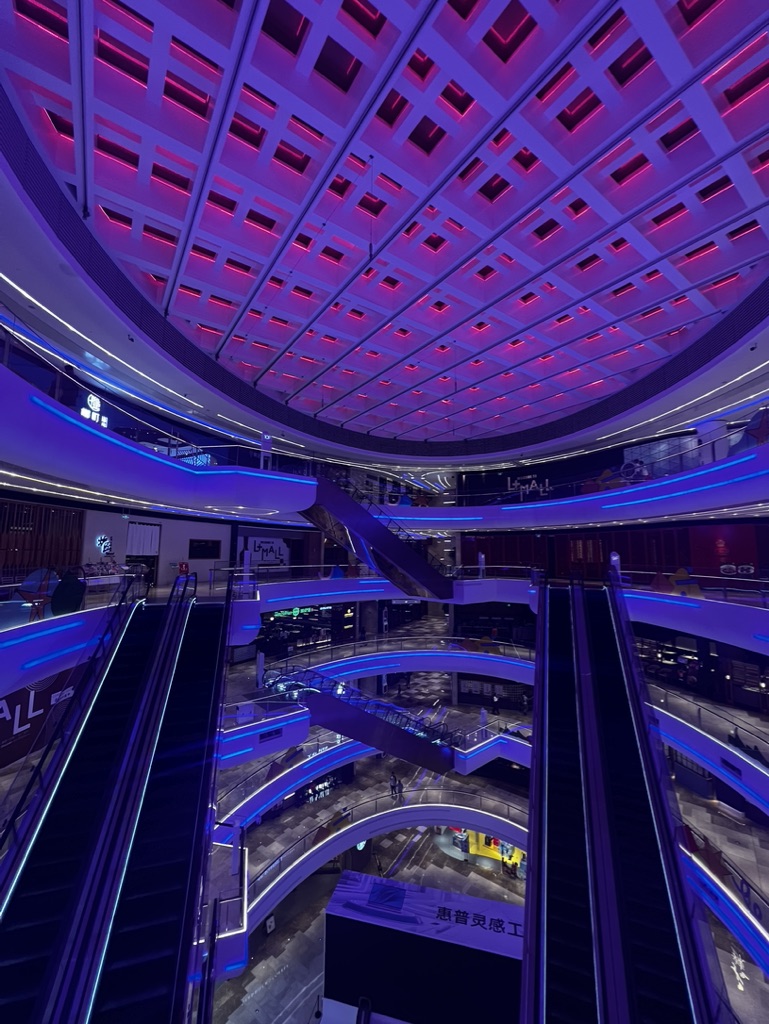
1. Overall Rating (0–10) — 7.5
This photograph captures the futuristic pulse of a modern shopping mall, where architecture and light converge to create an immersive, almost sci-fi atmosphere. The interplay of vibrant magenta and electric blue lighting against the geometric ceiling and curved escalators gives the space a dynamic, kinetic energy. While the image excels in mood and visual rhythm, the lack of human presence lends it a slightly sterile quality, limiting its emotional depth.
2. Composition (0–10) — 8.0
The low-angle perspective emphasizes the grand scale and verticality of the space, with the escalators creating strong leading lines that draw the eye upward. The circular symmetry of the ceiling and the balanced placement of architectural elements lend a sense of order and harmony.
3. Lighting (0–10) — 9.0
The lighting is the star of the image—vivid, well-distributed, and purposefully layered. The warm magenta accents contrast beautifully with the cool blue underglow, creating depth and visual excitement. The use of neon-style illumination enhances the futuristic aesthetic and guides the viewer’s gaze through the space.
4. Color & Tone (0–10) — 8.5
The palette is rich and cohesive, dominated by deep purples and blues that evoke a sense of nighttime urban energy. The contrast between the glowing lights and the darker architectural elements adds drama, while the color temperature supports the image’s futuristic tone.
5. Creativity (0–10) — 8.0
The photograph transforms a common commercial space into something otherworldly through bold lighting and perspective. The choice to highlight the ceiling’s grid-like pattern and the flow of movement via escalators demonstrates a strong conceptual vision, elevating the scene beyond mere documentation.
6. Technical Quality (0–10) — 7.5
The image is sharp and well-exposed, with minimal noise despite the low-light conditions. The wide-angle lens captures the expansive environment effectively, though slight distortion near the edges is noticeable.
7. Emotional Impact (0–10) — 7.0
The image evokes a sense of awe and wonder, reminiscent of a cyberpunk dreamscape. While the lack of people tempers the emotional connection, the sheer visual spectacle creates a powerful, almost hypnotic effect that lingers.


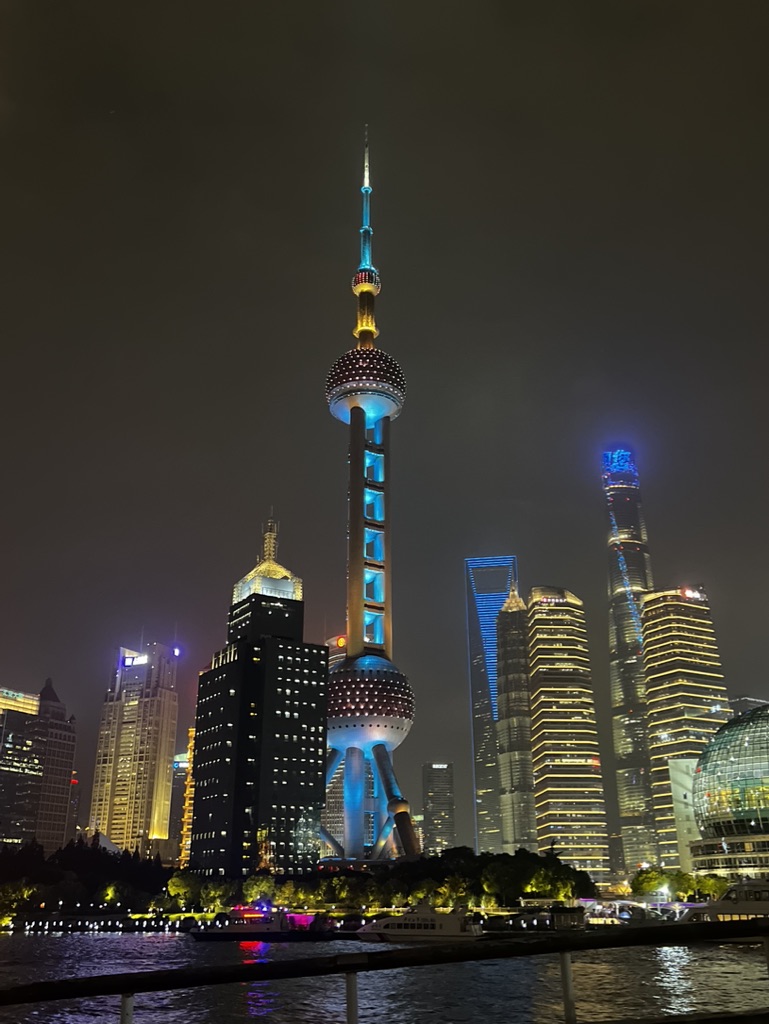
1. Overall Rating (0–10) — 7.5
This nighttime cityscape captures the electric energy of Shanghai’s skyline, where modern architecture converges in a dazzling display of light and form. The Oriental Pearl Tower stands as a radiant centerpiece, its illuminated structure drawing the eye upward against the dark sky. While the composition feels balanced and the lighting is vivid, the image’s strength lies in its ability to convey urban grandeur—though it stops short of transcending mere documentation into poetic interpretation.
2. Composition (0–10) — 7.0
The central placement of the Oriental Pearl Tower provides strong visual focus, while the surrounding skyscrapers create a layered, dynamic skyline. The inclusion of the river in the foreground adds depth, though the railing slightly interrupts the view.
3. Lighting (0–10) — 8.5
The interplay of artificial lights—cool blues, warm yellows, and sharp white glows—creates a vibrant, high-contrast scene. The lighting enhances the architectural details and gives the image a lively, nocturnal atmosphere.
4. Color & Tone (0–10) — 8.0
A rich palette of cool blues and warm golds creates a striking contrast, reinforcing the modernity and energy of the city. The deep black of the night sky allows the lights to pop, enhancing visual impact.
5. Creativity (0–10) — 7.5
The image offers a familiar subject but elevates it through thoughtful composition and lighting. The choice to frame the scene from across the water adds a sense of distance and perspective, lending a cinematic quality.
6. Technical Quality (0–10) — 8.0
Sharp focus and minimal noise suggest a high-quality capture. The exposure is well-managed, preserving detail in both the brightly lit buildings and darker areas.
7. Emotional Impact (0–10) — 7.0
The image evokes a sense of awe and wonder at the scale and ambition of modern urban life. It feels celebratory and forward-looking, capturing the pulse of a global metropolis.


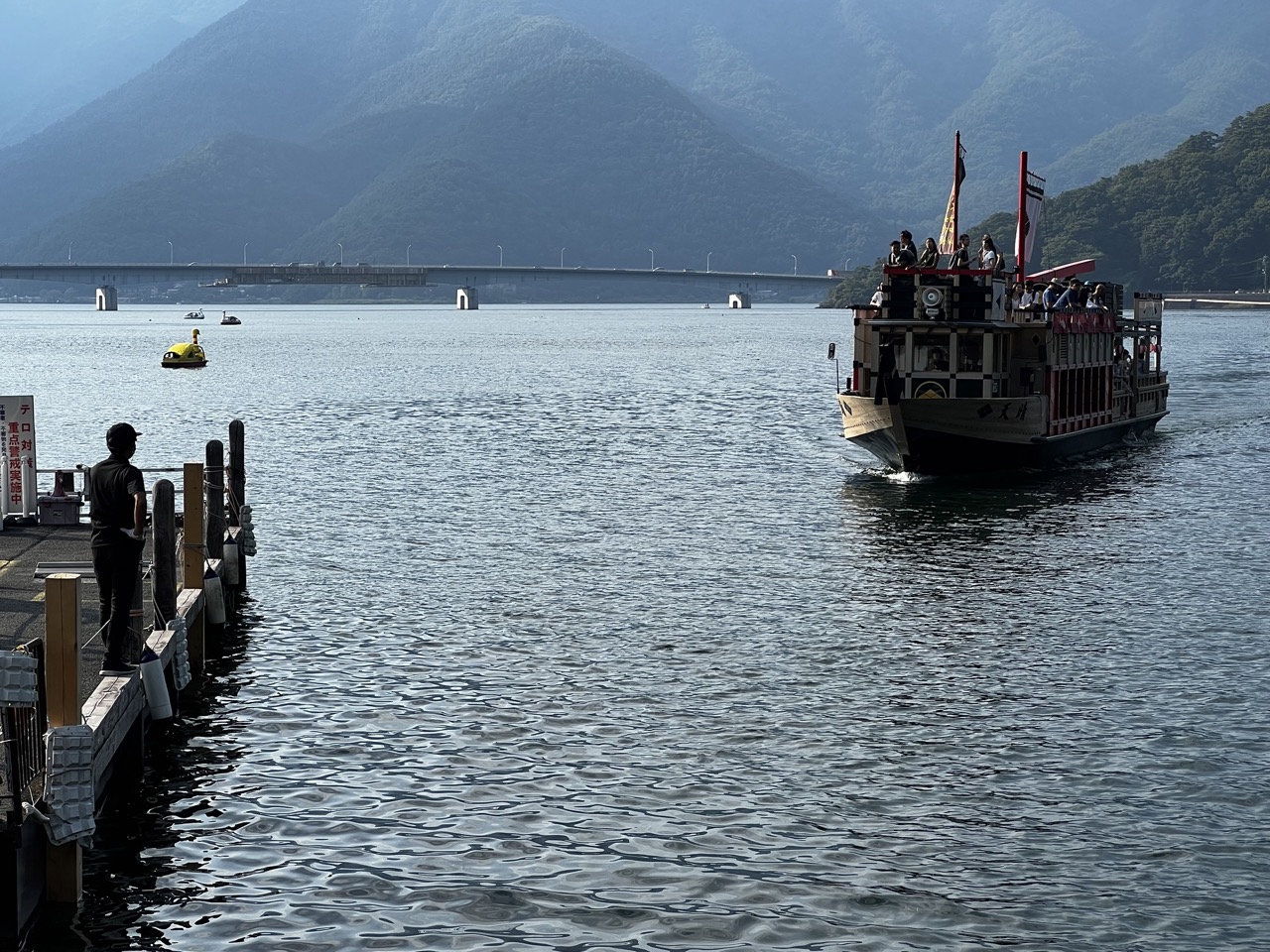
1. Overall Rating (0–10) — 7.0
This photograph captures a serene moment of transition, where a traditional Japanese tour boat glides across calm waters toward a distant mountainous shore. The juxtaposition of the modern bridge against the natural landscape and the time-honored vessel evokes a quiet harmony between tradition and progress. While the composition is strong and the mood contemplative, the flat lighting and muted tones slightly diminish the image’s emotional punch, leaving it feeling more like a snapshot than a deeply resonant scene.
2. Composition (0–10) — 7.5
The boat is well-placed along the right third, drawing the eye into the frame, while the dock on the left provides balance and a sense of scale. The receding lines of the water and bridge guide the viewer’s gaze toward the mountains, creating depth and perspective.
3. Lighting (0–10) — 6.0
The lighting is soft and even, likely from early morning or late afternoon, but lacks directional warmth or contrast. This creates a cool, almost monochromatic mood that underscores the stillness of the scene but reduces visual drama.
4. Color & Tone (0–10) — 6.5
The palette is dominated by cool blues and grays, with the red accents on the boat offering a subtle pop. The tonal range is narrow, with mid-tones dominating, which gives the image a subdued, almost documentary quality.
5. Creativity (0–10) — 7.0
The image succeeds in capturing a culturally rich moment with a quiet narrative, blending natural beauty, human activity, and infrastructure. The choice to frame the scene without focusing on a single subject allows for a broader interpretation of place and movement.
6. Technical Quality (0–10) — 8.0
The image is sharp and well-focused, with clean detail in the water’s ripples and the boat’s structure. Exposure is balanced, and noise is minimal, indicating strong technical execution.
7. Emotional Impact (0–10) — 6.5
The stillness of the water and the calm journey of the boat evoke a sense of peace and reflection, but the cool color palette and lack of strong emotional lighting keep the viewer at a slight remove, preventing deeper connection.


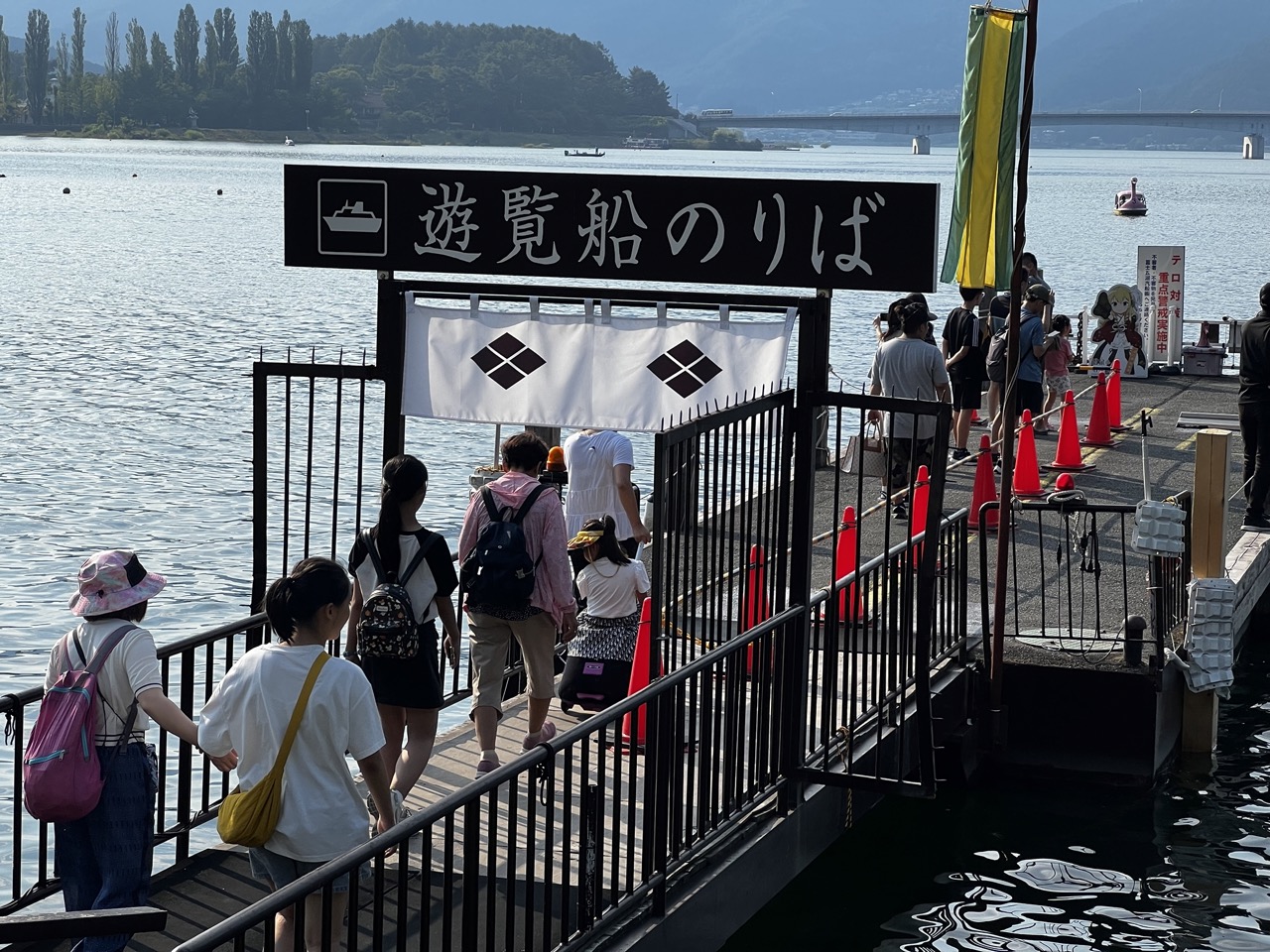
1. Overall Rating (0–10) — 7.0
This photograph captures a lively, everyday moment at a lakeside boat dock, where the rhythm of travel and tourism unfolds against a serene natural backdrop. The interplay of human activity, cultural signage, and the calm expanse of water creates a sense of place that feels both authentic and inviting. While the scene is well-framed and rich with detail, the lack of a strong focal point and slightly flat lighting temper its emotional depth, keeping it from achieving true visual resonance.
2. Composition (0–10) — 7.0
The diagonal flow of the pier leads the eye naturally from the foreground into the midground, guiding attention toward the boarding crowd and the distant landscape. The sign and banner add visual interest and cultural context, while the placement of people creates a sense of movement. The framing feels balanced, though the inclusion of the right-side traffic cones and signage introduces a slight visual distraction.
3. Lighting (0–10) — 6.5
The bright, midday sunlight casts clear shadows and illuminates the scene evenly, allowing for good visibility of details. However, the harshness of the overhead light flattens some tonal contrast, particularly in the water and sky, reducing the richness of depth. The reflection on the water adds a subtle texture, but the overall lighting lacks the warmth and nuance that would enhance the mood.
4. Color & Tone (0–10) — 6.0
The palette is dominated by neutral blues, grays, and whites, with pops of color from the passengers’ clothing and the orange cones. While the colors are natural and unprocessed, they feel somewhat muted, with the bright sunlight washing out subtle tones. The white banner and black sign create strong contrast, but the overall tone leans toward clinical rather than evocative.
5. Creativity (0–10) — 6.5
The image successfully captures a slice of daily life at a scenic location, blending cultural elements with natural beauty. The inclusion of the anime-style figure and Japanese signage adds layers of context, suggesting a connection to local tourism or seasonal events. While the approach is observational rather than interpretive, the photographer’s choice to include these details enhances the narrative quality of the scene.
6. Technical Quality (0–10) — 7.5
The image is sharp and clear, with well-defined details in the people, signage, and water. The focus is consistent across the frame, and there are no apparent technical flaws like blur or noise. The camera’s ability to capture the scene in bright daylight results in a clean, well-exposed image, though some highlights in the water appear slightly overexposed.
7. Emotional Impact (0–10) — 6.0
The photograph conveys a sense of quiet anticipation and routine, capturing the simple pleasure of travel and exploration. The presence of families and tourists suggests a communal, peaceful atmosphere, yet the lack of a strong emotional focal point—such as a candid expression or dramatic light—keeps the viewer at a distance. It feels more like a document than a deeply moving portrait.


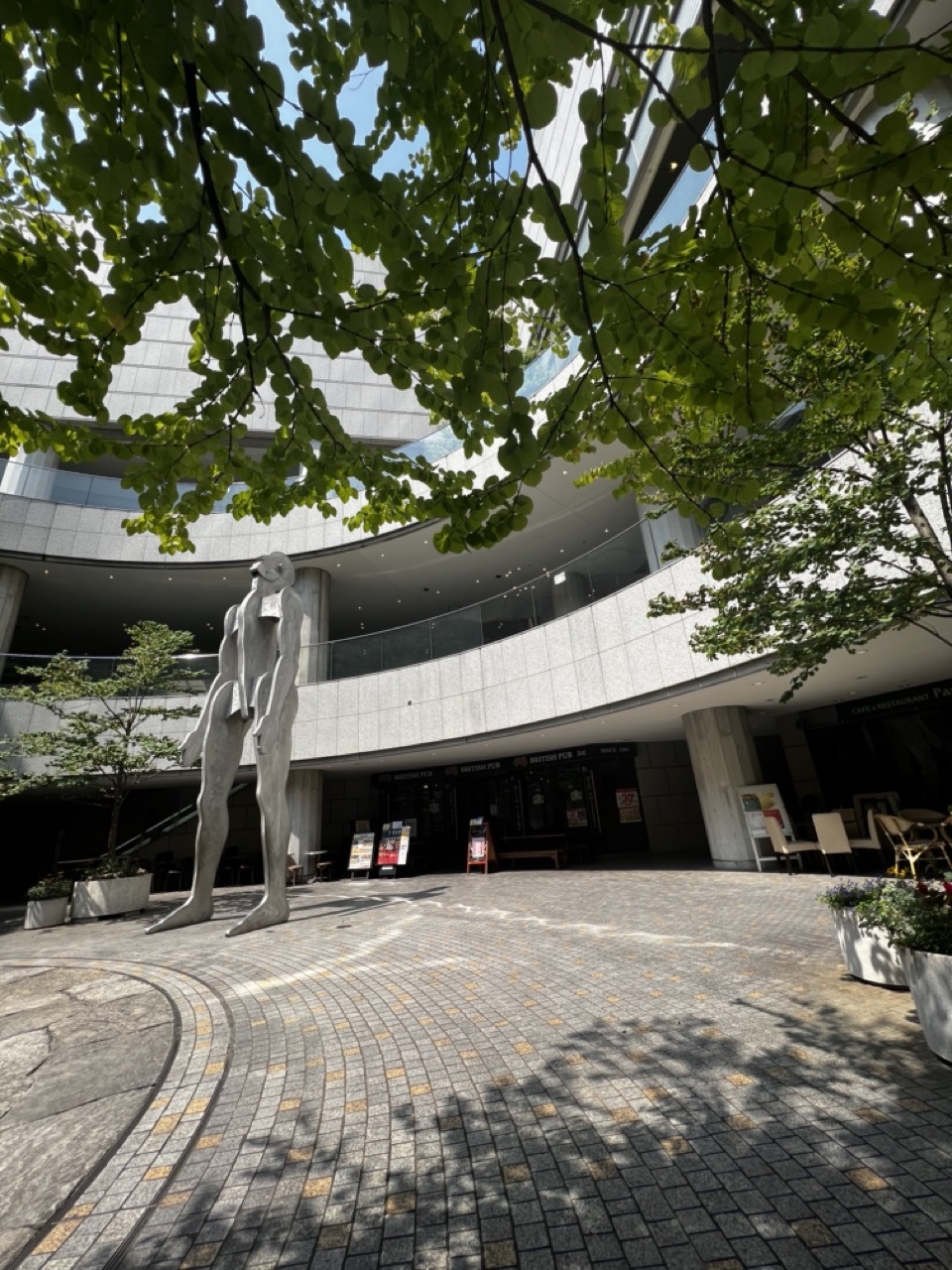
1. Overall Rating (0–10) — 7.0
This photograph captures a serene interplay between nature and urban architecture, where the organic curve of tree branches frames a striking modern sculpture against a sleek, multi-level building. The composition feels intentional and balanced, with the interplay of light and shadow enhancing the spatial depth. While the image effectively conveys a sense of calm in a city setting, the slightly low contrast and muted tones prevent it from fully conveying the vibrancy of the moment.
2. Composition (0–10) — 7.5
The low-angle perspective draws the eye upward through the leafy frame toward the sculpture and the building, creating a dynamic diagonal flow. The placement of the sculpture off-center adds visual interest, while the curved pavement leads the viewer’s gaze naturally into the scene.
3. Lighting (0–10) — 7.0
Natural daylight filters through the foliage, casting dappled shadows across the tiled ground and softening the harsh edges of the concrete structure. The contrast between sunlit leaves and shaded areas enhances depth and texture.
4. Color & Tone (0–10) — 6.5
The palette is dominated by muted greens and grays, with the soft yellow of the paving stones offering subtle warmth. While cohesive, the overall tone leans slightly cool and flat, reducing the visual pop of the greenery.
5. Creativity (0–10) — 7.0
The use of tree branches as a natural frame is a thoughtful compositional choice, creating a layered narrative between nature and human design. The juxtaposition of the minimalist sculpture against the curved architecture adds conceptual depth.
6. Technical Quality (0–10) — 7.5
Sharp focus across the scene, clean detail in the foliage and sculpture, and accurate exposure contribute to a technically strong image. The low angle and wide perspective are well executed.
7. Emotional Impact (0–10) — 6.5
The image evokes a quiet contemplative mood, inviting reflection on the harmony between urban design and natural elements. While not emotionally overwhelming, it successfully captures a peaceful moment in a public space.


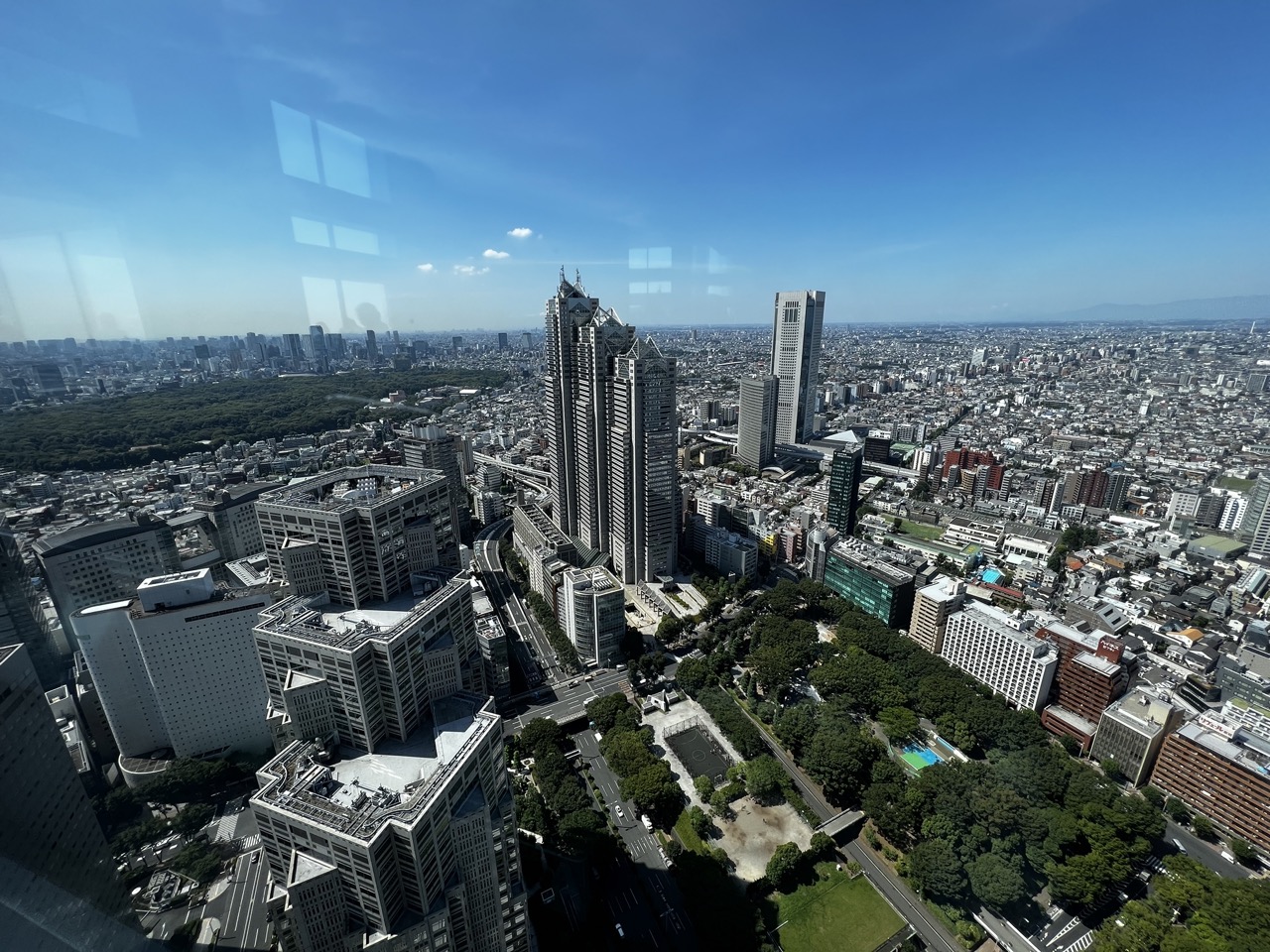
1. Overall Rating (0–10) — 7.5
This panoramic cityscape captures the dynamic energy of a modern metropolis under a vast, clear sky, where towering skyscrapers rise amid a dense urban sprawl. The high vantage point offers a commanding view that balances architectural grandeur with pockets of green space, while the subtle reflection on the glass adds a layer of photographic authenticity. The image succeeds in conveying both the scale and rhythm of urban life, though the slight haze in the distance tempers the crispness of the far horizon.
2. Composition (0–10) — 8.0
The diagonal sweep of the cityscape leads the eye naturally from the foreground to the background, creating depth and movement. The placement of the tallest buildings near the center anchors the composition, while the organic curves of the park and roads add visual interest and contrast.
3. Lighting (0–10) — 9.0
Bright, natural sunlight bathes the scene in a clear, vibrant glow, highlighting textures and forms with strong contrast. The direction of the light creates subtle shadows that enhance the three-dimensionality of the buildings, while the deep blue sky provides a powerful backdrop.
4. Color & Tone (0–10) — 8.5
The palette is dominated by crisp blues and neutral grays, punctuated by the rich greens of the trees and occasional pops of color from buildings and vehicles. The high contrast between the bright sky and the dense urban fabric gives the image a clean, modern tone.
5. Creativity (0–10) — 7.0
While the perspective is familiar for high-rise city views, the inclusion of the glass reflection adds a unique, self-aware element that subtly comments on the act of observation. The composition remains grounded in realism but benefits from a thoughtful framing that elevates it beyond a standard skyline shot.
6. Technical Quality (0–10) — 8.0
The image is sharp and well-focused throughout, with excellent detail in both the foreground and midground. The exposure is balanced, though the glass reflections slightly reduce clarity in the upper left corner.
7. Emotional Impact (0–10) — 7.5
The photograph evokes a sense of awe and contemplation, capturing the scale and complexity of urban existence. The juxtaposition of nature and concrete, along with the expansive view, invites introspection on modern life and the human relationship with the built environment.


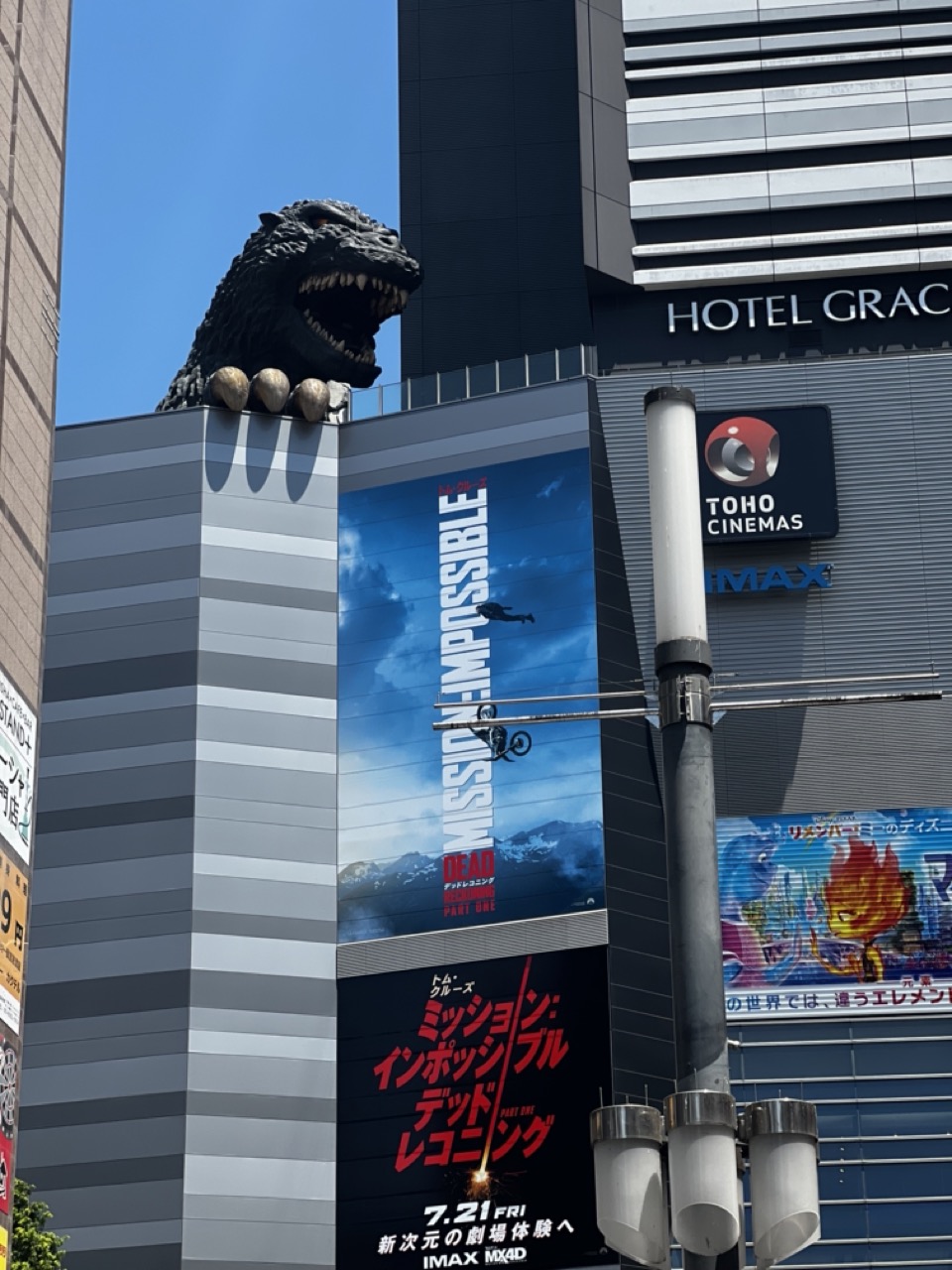
1. Overall Rating (0–10) — 7.0
This photograph captures a striking urban juxtaposition, where the towering, roaring head of Godzilla emerges from the corner of a modern cinema complex, creating a surreal and playful collision of pop culture and city life. The bold scale of the creature contrasts with the sleek, commercial architecture, while the clear blue sky and bright daylight amplify the scene’s theatrical energy. Though the image leans heavily on spectacle, its strength lies in its clever visual storytelling—blending mythic power with everyday urban reality in a way that feels both nostalgic and timely.
2. Composition (0–10) — 7.0
The Godzilla figure is positioned off-center but dominates the upper left, drawing the eye with its imposing scale. The vertical orientation of the "Mission: Impossible" poster creates a strong visual rhythm, while the diagonal lines of the lamppost and signage add dynamic tension. The framing effectively balances the monstrous figure with the surrounding commercial elements, though the lower right signage slightly distracts from the main focal point.
3. Lighting (0–10) — 8.0
The bright, direct sunlight enhances contrast and detail, casting sharp shadows that emphasize the texture of Godzilla’s skin and the building’s metallic facade. The clear blue sky acts as a clean backdrop, allowing the dark silhouette of the creature to stand out dramatically. The lighting feels natural and vivid, reinforcing the image’s energetic, daytime urban atmosphere.
4. Color & Tone (0–10) — 7.0
The palette is dominated by the cool grays and blues of the building and sky, which contrast sharply with the dark, textured black of Godzilla and the bold red of the Japanese film title. The vibrant IMAX and Toho Cinemas signage adds pops of color that enliven the scene. The overall tone is crisp and modern, with a slight digital sharpness that enhances clarity without overprocessing.
5. Creativity (0–10) — 8.0
The image is a masterful example of creative urban photography, merging a well-known cinematic icon with a real-world setting in a way that feels both unexpected and perfectly in place. The juxtaposition of a giant monster with a movie theater advertising an action franchise is inherently clever, playing on themes of spectacle, nostalgia, and the blurring of fiction and reality.
6. Technical Quality (0–10) — 8.0
The image is sharp and well-focused, with clean lines and excellent detail in both the Godzilla sculpture and the surrounding architecture. The exposure is balanced, with no significant overexposed or underexposed areas, and the resolution appears high, capturing fine textures and signage legibility. The camera angle and framing suggest a deliberate, well-executed shot.
7. Emotional Impact (0–10) — 7.5
The photograph evokes a sense of playful awe and cultural resonance, tapping into the collective memory of Godzilla as a symbol of both destruction and national identity. The viewer is invited to feel a mix of amusement and wonder, as the image transforms a mundane city corner into a cinematic moment. It’s a visual punch that lingers—both humorous and powerful in its simplicity.


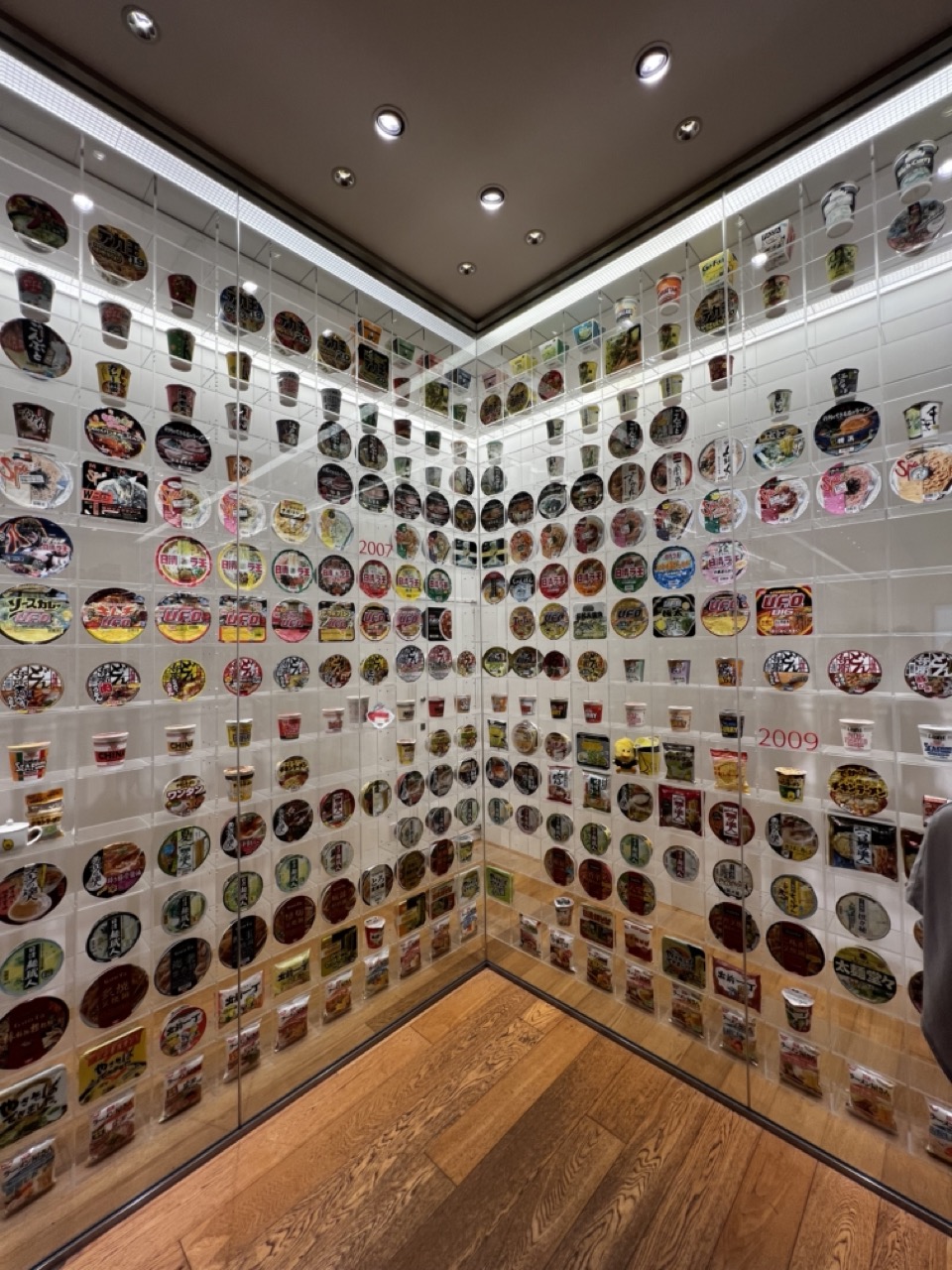
1. Overall Rating (0–10) — 7.0
This photograph presents a visually captivating display of instant noodle packaging, transforming a commercial product into a curated cultural archive. The meticulous arrangement and clean, well-lit environment lend a sense of reverence to the collection, while the corner perspective enhances the depth and scale of the exhibit. Though the subject is inherently playful and pop-culture-driven, the composition and lighting elevate it beyond mere novelty into the realm of conceptual art. A slight adjustment in framing could further emphasize the pattern and rhythm of the display.

2. Composition (0–10) — 7.5
The corner perspective creates a strong sense of depth and symmetry, drawing the eye into the grid-like arrangement. The alignment of the packages forms a visually engaging pattern, with the diagonal lines of the floor and walls guiding the viewer’s gaze. A tighter crop might enhance focus, but the current framing effectively captures the scale and organization of the installation.
3. Lighting (0–10) — 8.0
The recessed ceiling lights and illuminated strip along the top edge provide even, bright illumination that highlights the details of each noodle package. The light is cool and functional, emphasizing clarity and cleanliness, which complements the curated nature of the exhibit. There are no harsh shadows, and the reflective surfaces of the glass cases are handled well.
4. Color & Tone (0–10) — 7.0
The vibrant, varied packaging creates a rich and dynamic color palette, with bold yellows, reds, and blues standing out against the neutral white background. The contrast between the colorful products and the clean, monochromatic environment enhances visual interest. The overall tone is bright and clean, with a slight coolness that reinforces the modern, museum-like atmosphere.
5. Creativity (0–10) — 8.5
The concept of displaying instant noodles as a museum exhibit is inventive and thought-provoking, merging consumer culture with artistic presentation. The inclusion of years like "2007" and "2009" adds a narrative layer, suggesting historical progression. This approach transforms a common commodity into a commentary on globalization, design, and popular culture.
6. Technical Quality (0–10) — 8.0
The image is sharp and well-focused, with clear details visible on the packaging labels. The exposure is balanced, and the depth of field is adequate for capturing the entire display. The use of a wide-angle lens is evident, but it’s managed effectively without distorting the geometry of the space.
7. Emotional Impact (0–10) — 6.5
The photograph evokes curiosity and a sense of wonder, particularly for viewers familiar with the brands or the cultural significance of instant noodles. There’s a playful, almost whimsical tone that invites engagement, though it may not elicit strong emotional resonance beyond intellectual appreciation. The clean, impersonal setting keeps the viewer at a slight remove, reinforcing the idea of the exhibit as a cultural artifact rather than a personal experience.


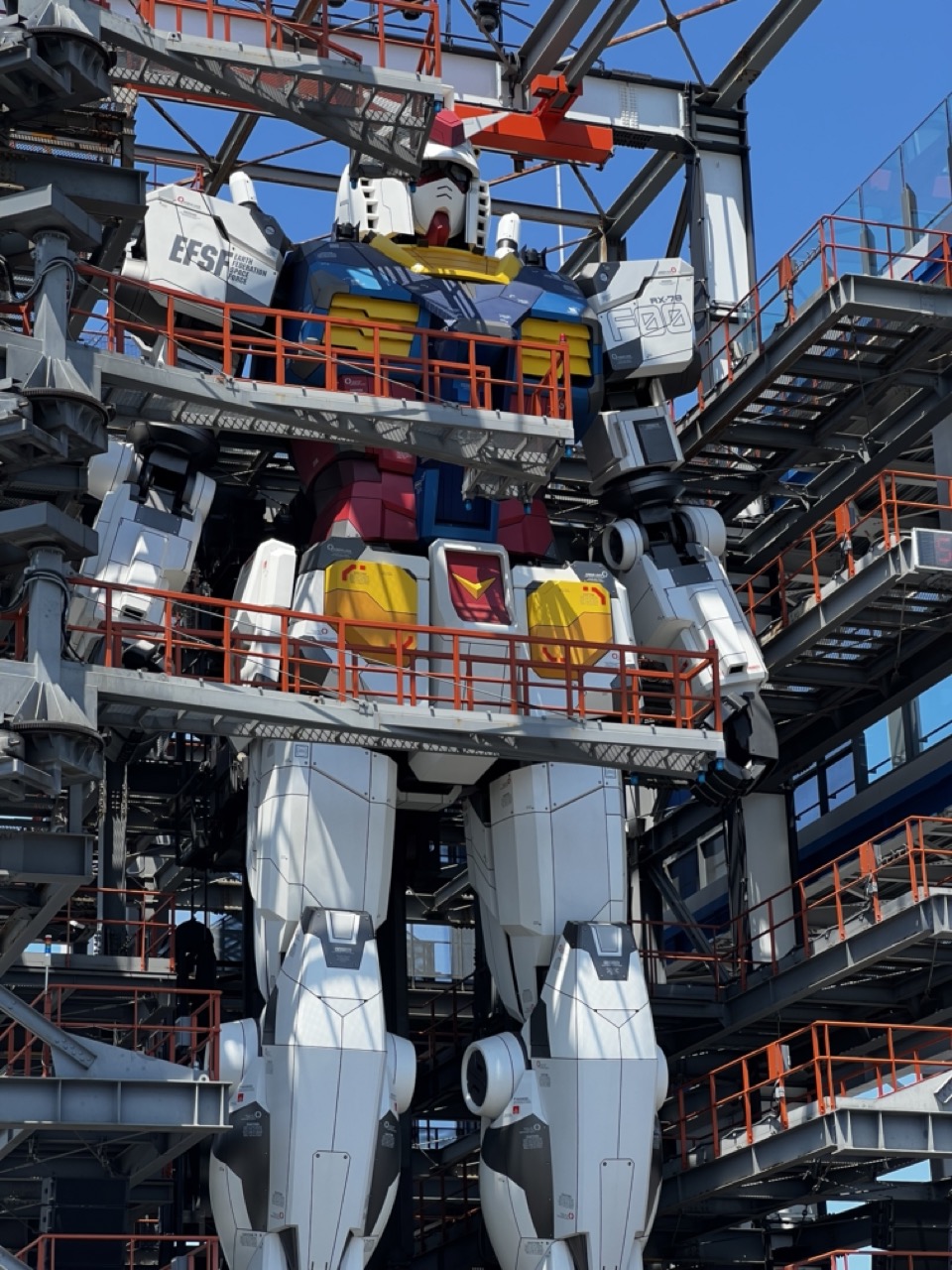
1. Overall Rating (0–10) — 7.0
This photograph captures the imposing presence of the massive Gundam statue with striking clarity, emphasizing its scale and intricate mechanical design against a bright blue sky. The bold colors and industrial scaffolding create a dynamic contrast that highlights the robot’s futuristic aesthetic while grounding it in a real-world setting. While the composition is visually engaging, the surrounding structural clutter slightly detracts from the statue’s dominance, keeping it from achieving a more refined cinematic impact.
2. Composition (0–10) — 6.5
The low-angle perspective effectively emphasizes the statue’s enormity, but the overlapping metal framework and railings create visual noise, distracting from the central subject. A tighter framing or cleaner background would enhance the focus.
3. Lighting (0–10) — 8.0
Bright, direct sunlight enhances the sculpture’s three-dimensional form, casting crisp shadows that define its mechanical details. The contrast between light and shadow adds depth and reinforces the robot’s structural complexity.
4. Color & Tone (0–10) — 7.5
The vivid red, blue, and yellow accents on the Gundam pop against the white and gray chassis, creating a vibrant, energetic palette. The deep blue sky provides a clean backdrop that enhances the subject’s colors without overpowering them.
5. Creativity (0–10) — 7.0
The image successfully merges pop culture iconography with urban industrial architecture, creating a compelling visual narrative. The choice to photograph the statue in its constructed environment adds context and authenticity, though the framing could be more deliberate to elevate the artistic intent.
6. Technical Quality (0–10) — 8.5
The image is sharp and well-focused, with excellent clarity in the details of the Gundam’s armor and the surrounding infrastructure. The exposure is balanced, preserving detail in both highlights and shadows.
7. Emotional Impact (0–10) — 7.5
The sheer scale and recognizable design of the Gundam evoke a sense of awe and nostalgia, particularly for fans of the franchise. The image captures the intersection of technology, art, and fandom, creating a powerful connection between the viewer and the iconic figure.


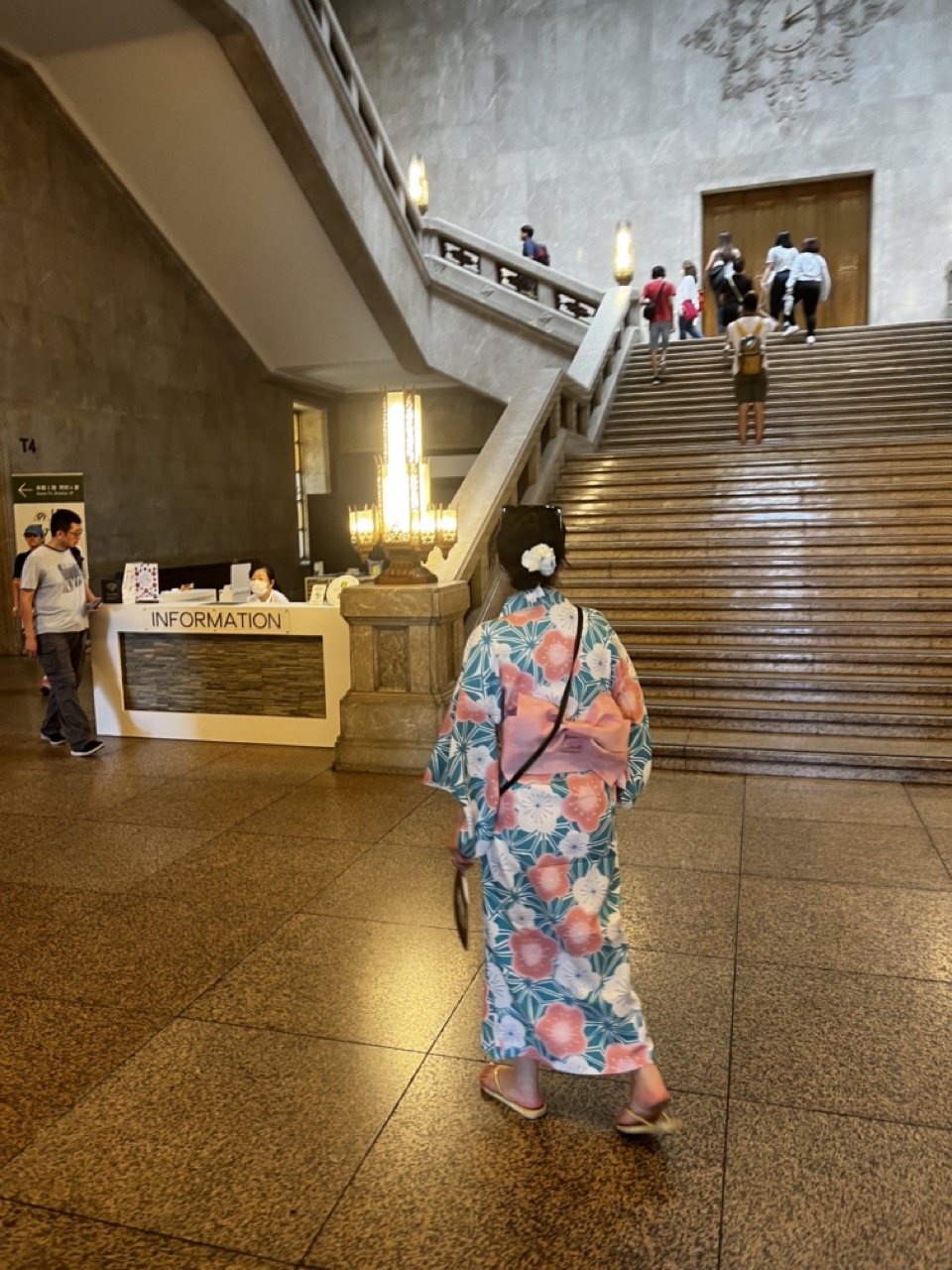
1. Overall Rating (0–10) — 6.8
This photograph captures a quiet moment of cultural contrast within a grand, institutional space, where tradition meets modernity in a seamless yet poignant way. The woman in the kimono, seen from behind, becomes a focal point of color and narrative, leading the viewer’s eye toward the sweeping staircase and the flow of visitors. While the image effectively conveys atmosphere and context, it lacks the visual tension or emotional depth to elevate it beyond a well-composed document of a place and moment.
2. Composition (0–10) — 7.0
The subject is well-placed off-center, creating a natural leading line toward the staircase and drawing the eye through the space. The diagonal of the stairs and the architecture provide dynamic structure, though the left-side information desk slightly disrupts balance.
3. Lighting (0–10) — 6.5
Warm, artificial lighting from the chandelier adds a touch of elegance and highlights the texture of the marble, though it creates a slightly uneven exposure that softens details in the shadows.
4. Color & Tone (0–10) — 7.5
The floral kimono introduces vibrant, harmonious colors that pop against the muted grays and browns of the stone interior, creating a striking visual contrast. The overall tone is subdued but grounded, with the warm accents enhancing the sense of place.
5. Creativity (0–10) — 7.0
The juxtaposition of traditional attire within a modern public building offers a compelling narrative. The photographer captures a moment that feels both authentic and symbolic, suggesting themes of heritage, tourism, and cultural continuity.
6. Technical Quality (0–10) — 7.5
The image is sharp and clear, with good focus on the central figure and sufficient detail in the background. The exposure is generally balanced, though some areas of the frame appear slightly overexposed due to the lighting.
7. Emotional Impact (0–10) — 6.5
There is a subtle sense of contemplation and quiet observation, as the viewer is invited to follow the woman’s path through the space. While the mood is reflective, the emotional resonance is restrained, leaving the story open to interpretation.


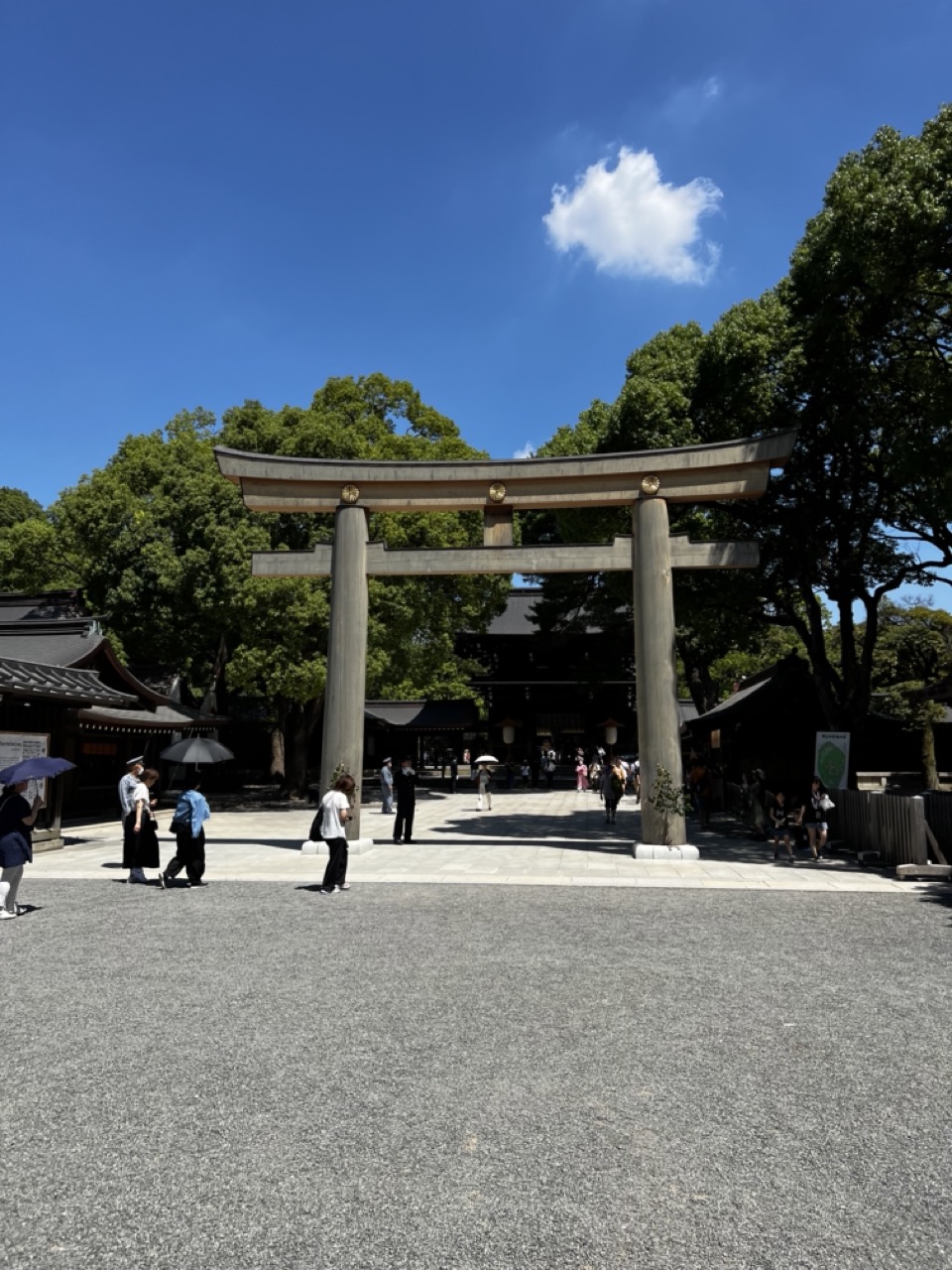
1. Overall Rating (0–10) — 7.0
This photograph captures the serene grandeur of a Shinto shrine under a brilliant blue sky, where the towering torii gate stands as a powerful threshold between the sacred and the everyday. The expansive gravel foreground and the vibrant green trees create a sense of openness and timelessness, while the scattered visitors add scale and quiet human presence. Though the image is strong in atmosphere and composition, its emotional depth is slightly tempered by the flatness of the lighting and the lack of a compelling focal point.
2. Composition (0–10) — 7.5
The torii gate is centered and dominates the frame, creating a strong focal point, while the wide-angle perspective emphasizes the scale of the space. The gravel foreground leads the eye toward the gate, and the trees frame the scene naturally, adding balance and depth.
3. Lighting (0–10) — 7.0
Bright, direct sunlight enhances the vividness of the sky and highlights the textures of the torii and gravel. However, the harsh overhead light creates strong shadows and slightly flattens the midtones, reducing subtle tonal variation.
4. Color & Tone (0–10) — 7.5
The deep blue of the sky contrasts beautifully with the lush green foliage and the natural gray of the torii and gravel. The palette is balanced and harmonious, evoking a sense of calm and clarity.
5. Creativity (0–10) — 6.5
The image is a strong documentation of a cultural site, but it leans more toward realism than artistic interpretation. The composition is conventional, and while it captures the moment well, it lacks a distinctive visual narrative or conceptual twist.
6. Technical Quality (0–10) — 8.0
The photograph is sharp and clear, with excellent detail in the textures of the wood, gravel, and foliage. The exposure is well-managed, with no blown-out highlights or lost shadows.
7. Emotional Impact (0–10) — 6.5
The scene evokes a sense of peace and reverence, amplified by the open space and the presence of visitors in quiet contemplation. While it invites reflection, the emotional resonance is more subtle than profound, leaving room for deeper connection.


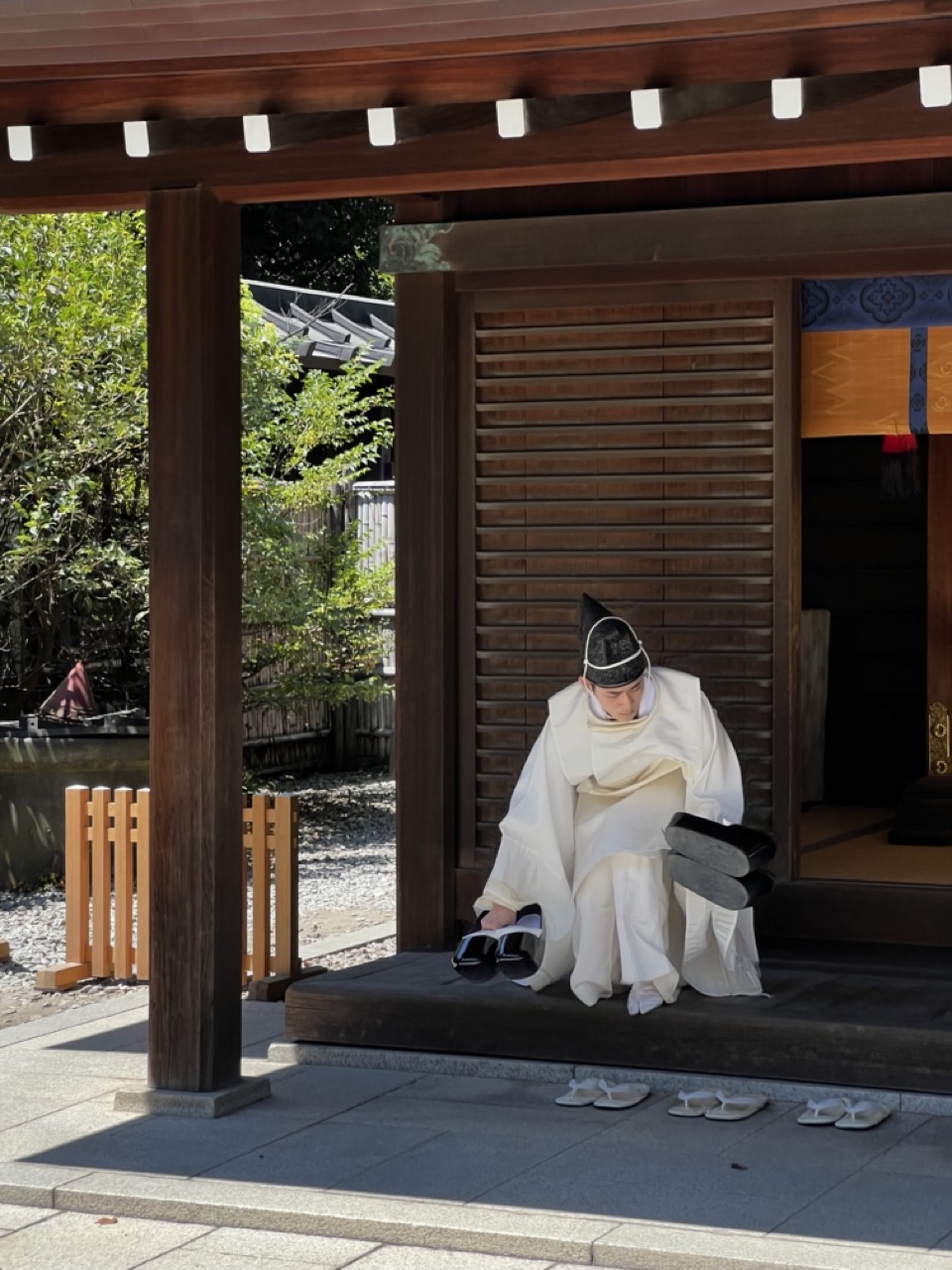
1. Overall Rating (0–10) — 7.0
This photograph captures a serene and contemplative moment at a traditional Japanese shrine, where ritual and stillness converge. The subject, dressed in ceremonial attire, sits in quiet focus, creating a sense of reverence and cultural authenticity. While the image is grounded in realism and clarity, its emotional resonance is slightly muted by the flatness of the lighting and the absence of a more dynamic compositional tension.
2. Composition (0–10) — 7.0
The subject is well-placed within the frame, seated slightly off-center, allowing the architectural lines of the shrine to guide the eye. The wooden slats and structural elements create natural leading lines, while the foreground steps and sandals ground the scene in ritual practice. The balance between the figure and the surrounding space is harmonious, though the left side feels slightly underutilized.
3. Lighting (0–10) — 6.0
Natural daylight illuminates the scene evenly, preserving detail and texture in the fabric and wood. However, the light is somewhat flat and lacks the warmth or directional quality that would enhance mood or depth. The shadows are soft and diffuse, contributing to a neutral, documentary-like feel.
4. Color & Tone (0–10) — 6.5
The palette is restrained and harmonious, dominated by the earthy browns of the wood, the crisp white of the ceremonial robe, and the muted greens of the foliage. The contrast between the bright robe and the darker surroundings is effective, though the overall tonal range is narrow, reducing visual dynamism.
5. Creativity (0–10) — 7.5
The image succeeds in capturing a moment rich with cultural and spiritual significance, elevating a routine action into a meditative tableau. The choice to frame the subject in the context of the shrine’s architecture adds layers of meaning, suggesting continuity between person and place. The composition is deliberate, inviting reflection on tradition and ritual.
6. Technical Quality (0–10) — 8.0
The image is sharp and well-focused, with clean details visible in the fabric, wood grain, and surrounding textures. The exposure is balanced, with no blown highlights or crushed shadows. The camera’s resolution and clarity effectively support the narrative without distraction.
7. Emotional Impact (0–10) — 7.0
There is a quiet dignity in the subject’s posture and focus, evoking a sense of respect and inner calm. The viewer is drawn into the stillness of the moment, prompted to consider the weight of tradition and the personal devotion behind the act. While not overtly dramatic, the image carries a subtle emotional gravity that lingers.


1. Overall Rating (0–10) — 6.0
This image captures the entrance to the Small Worlds Miniature Museum with clear intent, emphasizing the branding through a bold, modern sign. The clean typography and layered design of the sign create visual interest, but the surrounding environment—particularly the cluttered vending machine and generic storefront—distracts from the subject’s potential aesthetic appeal. While the photograph effectively communicates location and identity, it lacks the atmospheric depth to feel truly compelling.
2. Composition (0–10) — 6.5
The sign is centered and dominates the frame, creating a strong focal point. However, the inclusion of the vending machine and uneven background elements introduces visual noise, disrupting the balance and drawing attention away from the main subject.
3. Lighting (0–10) — 7.0
The scene is evenly lit with natural daylight, ensuring the sign is clearly visible and free of harsh shadows. The lighting is functional and enhances legibility, though it lacks the dynamic quality that might elevate the mood.
4. Color & Tone (0–10) — 6.5
The teal and white color scheme of the sign provides a clean, modern contrast against the yellow wall and dark steps. While the palette is cohesive, it feels slightly flat due to the lack of tonal variation and vibrancy in the surroundings.
5. Creativity (0–10) — 6.0
The composition is straightforward and documentary in nature, focusing on clear representation rather than artistic interpretation. The layered sign design adds a touch of originality, but the overall approach is conventional and more informational than expressive.
6. Technical Quality (0–10) — 7.5
The image is sharp and well-focused, with clean lines and good detail in the sign. The exposure is balanced, and the camera appears to have captured the scene accurately without noticeable flaws.
7. Emotional Impact (0–10) — 5.0
The image conveys a sense of place and purpose, but it doesn’t evoke strong emotion. It functions as a visual marker rather than an emotional or narrative experience, leaving the viewer with a sense of neutrality.


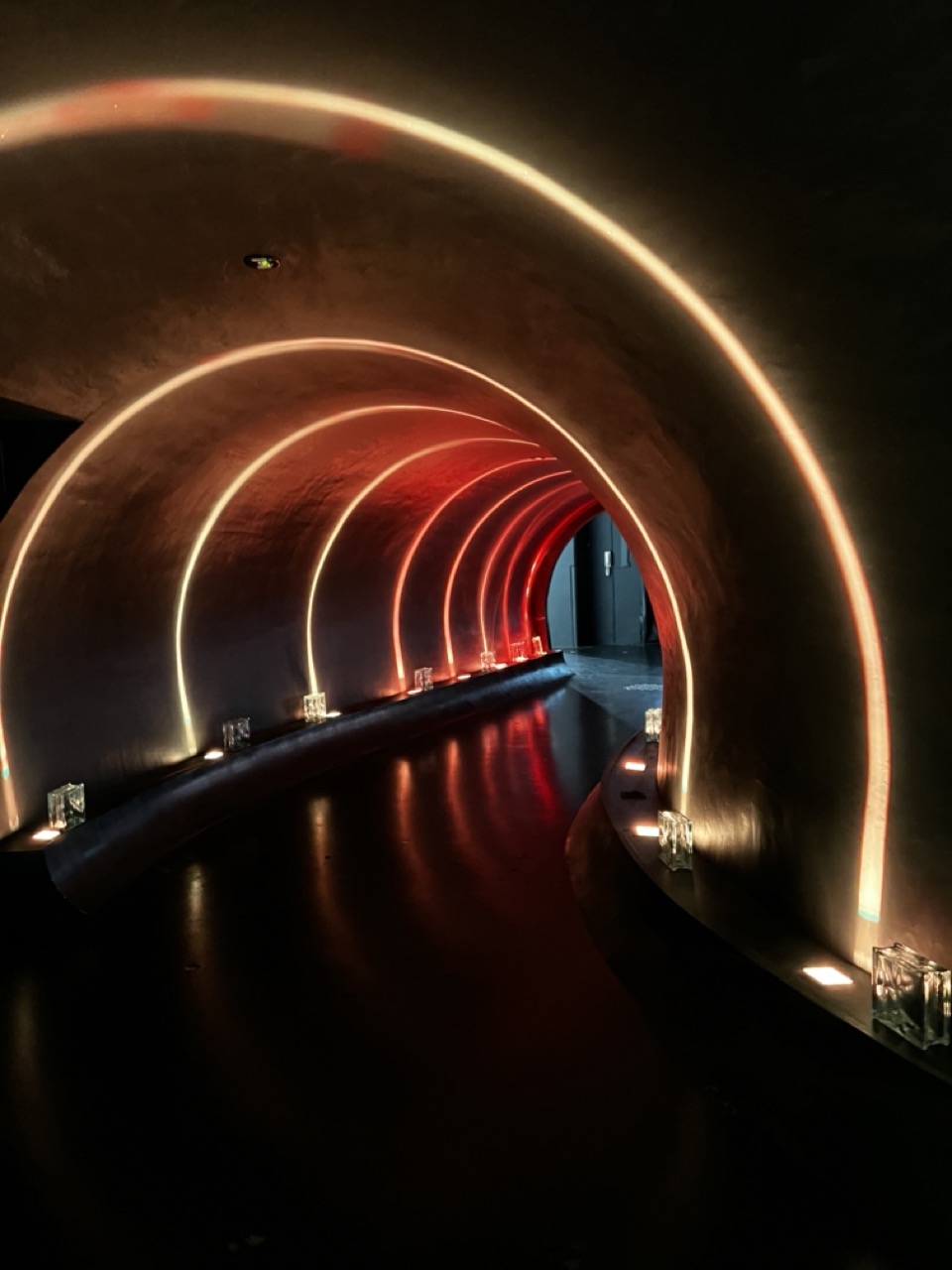
1. Overall Rating (0–10) — 8.0
This photograph captures a mesmerizing journey through a luminous tunnel, where light and architecture converge to create a sense of depth and movement. The interplay of warm, glowing arcs and the reflective floor enhances the illusion of infinite space, evoking both wonder and introspection. While the scene is visually striking, the lack of a human presence or narrative anchor keeps it slightly abstract, preventing a deeper emotional connection.
2. Composition (0–10) — 8.5
The strong leading lines of the illuminated arches draw the eye naturally into the tunnel, creating a powerful sense of perspective. The symmetrical arrangement and low-angle framing enhance the grandeur and depth, though the slight asymmetry in foreground elements adds a subtle tension that keeps the composition dynamic.
3. Lighting (0–10) — 9.0
The lighting is the image’s greatest strength—warm, layered, and precisely placed to trace the tunnel’s curvature. The soft glow of the red and amber lights creates a dramatic contrast against the dark, matte surfaces, while the reflections on the floor amplify the luminosity and add a sense of fluidity.
4. Color & Tone (0–10) — 8.0
The palette is dominated by deep blacks and rich, warm reds and golds, creating a moody, immersive atmosphere. The limited color range enhances the sense of unity, while the subtle gradient from red to amber adds visual interest and depth.
5. Creativity (0–10) — 8.5
The use of light as both a structural and emotional element demonstrates strong conceptual intent. The tunnel functions as a metaphor for transition or introspection, and the composition transforms a simple architectural space into a visually poetic experience.
6. Technical Quality (0–10) — 8.0
The image is sharp and well-exposed, with excellent control over highlights and shadows. The long exposure captures the glow of the lights without overexposure, and the clarity of the reflections suggests a high level of technical precision.
7. Emotional Impact (0–10) — 7.5
The photograph evokes a quiet sense of awe and contemplation, inviting the viewer to imagine stepping into the tunnel and being carried forward. The warmth and darkness create a meditative mood, though the absence of a human element keeps the emotional resonance more cerebral than visceral.


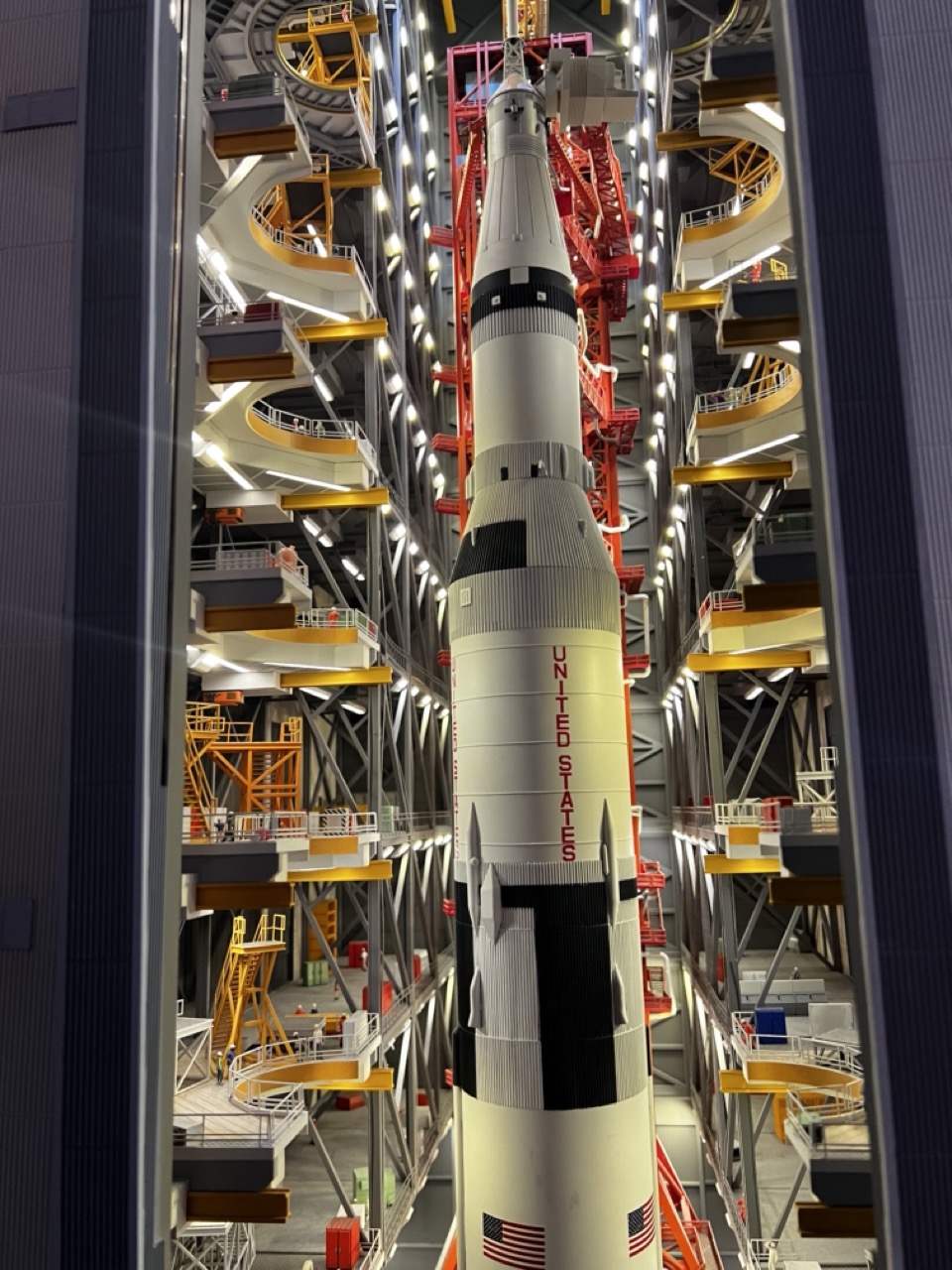
1. Overall Rating (0–10) — 8.0
This photograph captures the awe-inspiring scale and engineering precision of a Saturn V rocket inside a massive assembly hall, evoking a sense of human ambition and technological mastery. The vertical composition emphasizes the rocket’s towering presence, while the surrounding scaffolding and lighting create a sense of organized complexity. The image is compelling in both its factual clarity and its subtle narrative of exploration, though the lack of human scale slightly diminishes the emotional immediacy.
2. Composition (0–10) — 8.0
The centered, symmetrical framing draws the eye upward along the rocket’s axis, reinforcing its grandeur. The surrounding platforms and walkways create a layered, architectural rhythm that guides the viewer through the space, enhancing depth and perspective.
3. Lighting (0–10) — 7.5
Even, artificial lighting illuminates the scene effectively, highlighting the rocket’s details without harsh shadows. The bright overhead lights contrast with the darker structural elements, adding visual depth and emphasizing the industrial scale of the environment.
4. Color & Tone (0–10) — 7.0
The palette is dominated by whites, grays, and reds, with the American flag and “UNITED STATES” text providing focal color accents. The tones are clean and professional, supporting the image’s documentary quality, though the lack of atmospheric variation slightly reduces visual warmth.
5. Creativity (0–10) — 7.5
The image successfully captures a moment of historical and technological significance, presenting a well-known artifact in a visually compelling, almost reverential manner. The framing and scale emphasize the rocket not just as machinery, but as a symbol of human aspiration.
6. Technical Quality (0–10) — 8.5
Sharp focus and high resolution render fine details of the rocket and surrounding infrastructure. The exposure is well-balanced, and the lens flare adds a subtle touch of realism without distracting from the subject.
7. Emotional Impact (0–10) — 7.0
The photograph evokes a sense of wonder and respect for human achievement, particularly in space exploration. While it remains largely objective, the scale and context inspire a quiet awe, connecting the viewer to a pivotal era in scientific history.


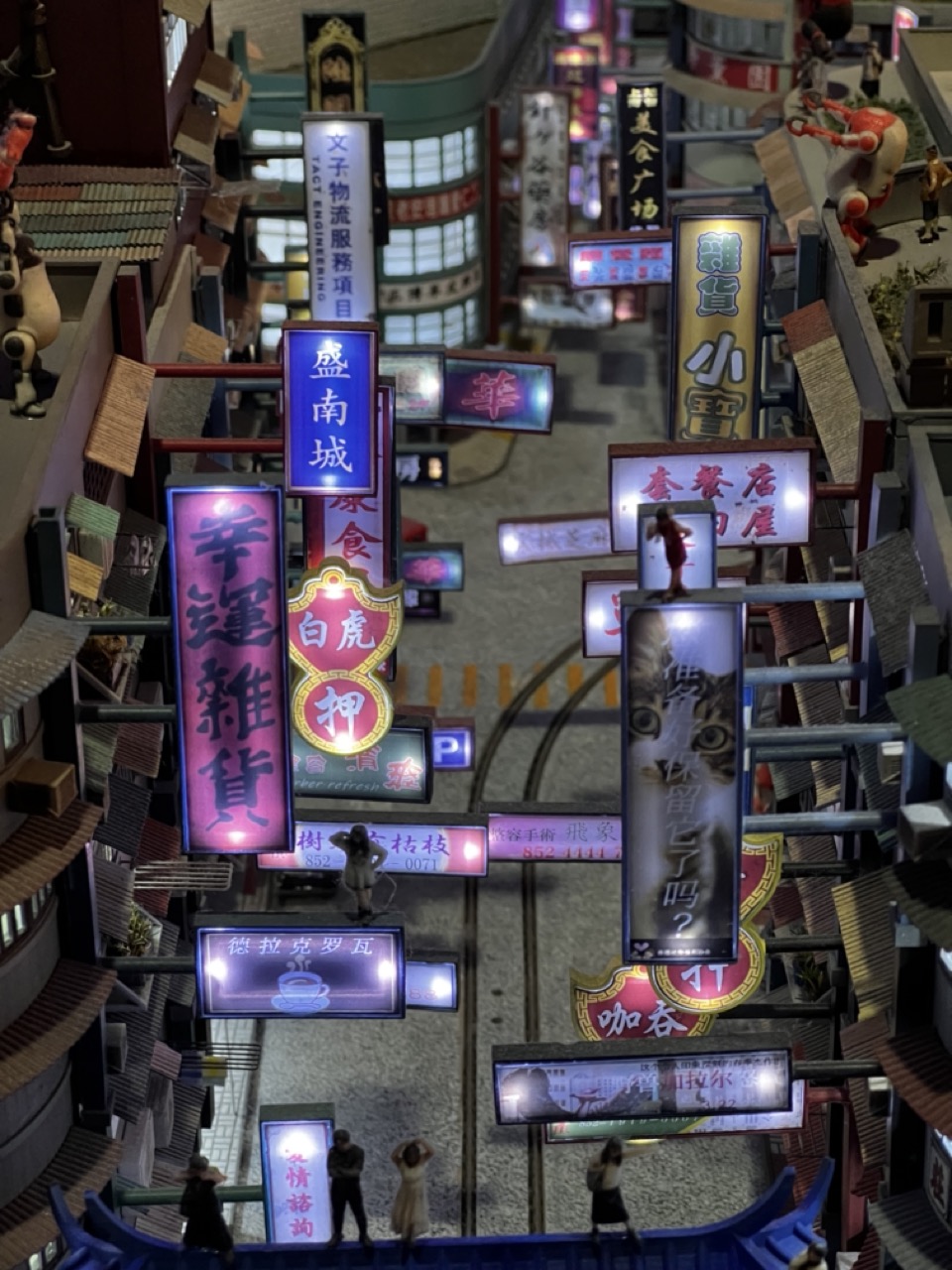
1. Overall Rating (0–10) — 7.5
This miniature diorama captures the vibrant energy of a bustling East Asian urban street, where neon signs and dense architecture create a richly layered visual narrative. The attention to detail in the signage and lighting gives the scene a lively, almost cinematic quality, evoking a sense of movement and cultural specificity. While the composition is visually dense, it occasionally risks overwhelming the viewer, and the scale of the figures feels slightly disconnected from the environment.
2. Composition (0–10) — 7.0
The high-angle view emphasizes the depth and complexity of the street layout, with signs and buildings layered to create a dynamic sense of space. However, the sheer number of elements introduces visual clutter, and the placement of some signage slightly disrupts the overall balance.
3. Lighting (0–10) — 8.0
The use of artificial light from the neon signs creates a striking contrast against the darker background, enhancing the nighttime atmosphere. The glow from the illuminated signs adds warmth and focus, drawing the eye to key areas and reinforcing the scene’s urban energy.
4. Color & Tone (0–10) — 7.5
The palette is rich and varied, with deep purples, reds, and yellows dominating the scene, evoking a classic neon-lit cityscape. The colors are vibrant but well-integrated, with sufficient contrast to distinguish individual elements while maintaining visual harmony.
5. Creativity (0–10) — 8.5
The concept of a miniature cityscape is inherently imaginative, and the artist’s attention to cultural specificity—through signage, architecture, and scale—demonstrates strong storytelling intent. The blend of realism and playful exaggeration gives the piece a unique, almost whimsical authenticity.
6. Technical Quality (0–10) — 8.0
The image is sharp and well-focused, with fine detail visible in the signage and textures. The lighting is controlled and effective, and the exposure manages the dynamic range between bright signs and darker areas with precision.
7. Emotional Impact (0–10) — 7.0
The scene evokes a sense of wonder and nostalgia, reminiscent of a bustling city at night seen through a child’s eyes. While the emotional resonance is strong, the lack of human interaction or narrative focus keeps the viewer at a slight remove, leaving the story open to interpretation.


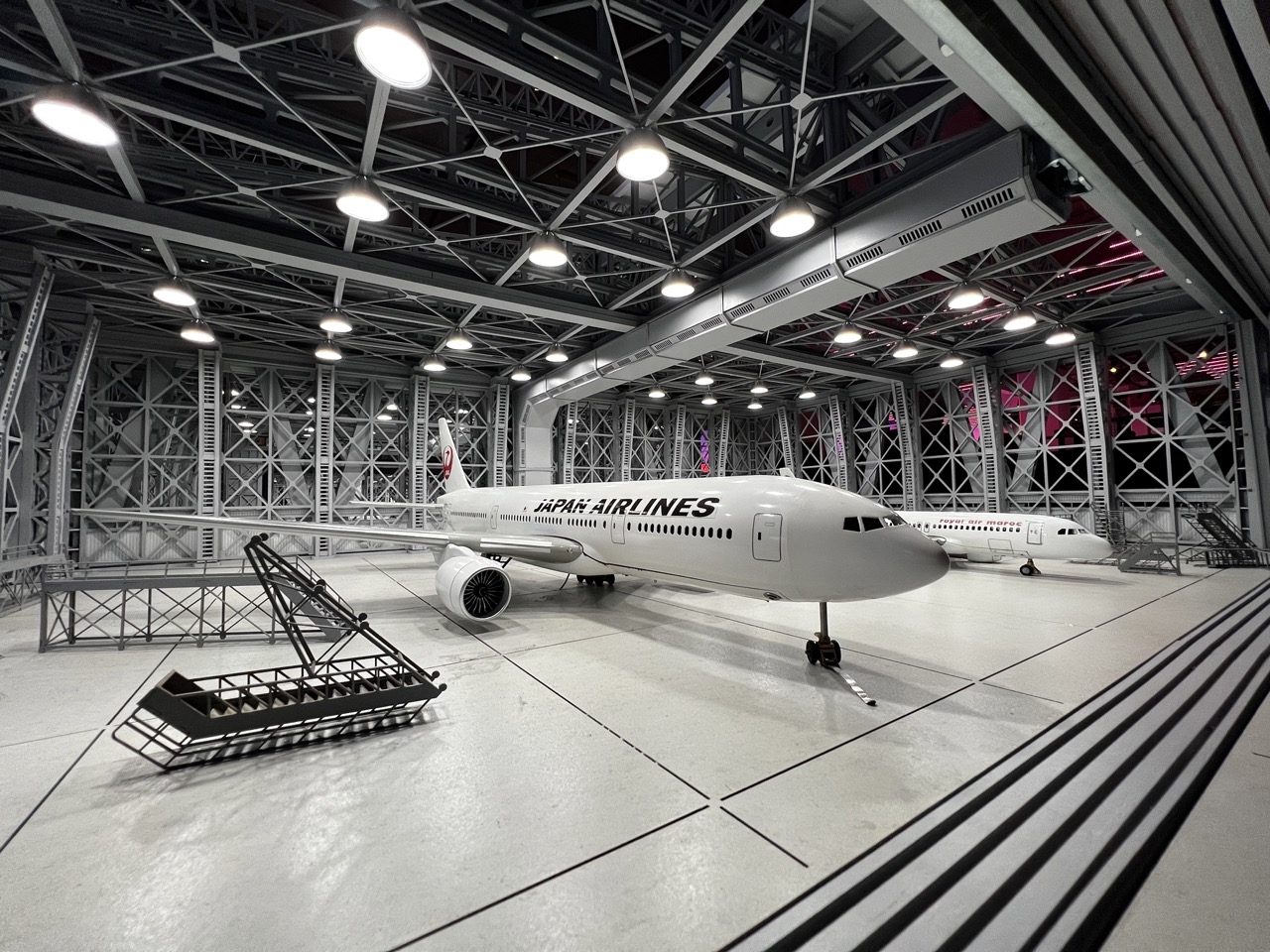
1. Overall Rating (0–10) — 7.0
This photograph captures the imposing scale and intricate detail of a meticulously crafted aviation exhibit, where the sleek form of a Japan Airlines aircraft dominates a vast hangar-like space. The industrial architecture, with its exposed trusses and overhead lighting, enhances the sense of realism, while the presence of a second model in the background adds depth and context. Though the scene is compelling, the sterile lighting and lack of human presence temper its emotional resonance, leaving it more as a technical display than a deeply evocative image.
2. Composition (0–10) — 7.5
The low-angle perspective emphasizes the aircraft’s grandeur, while the diagonal lines of the floor and structural beams guide the eye toward the main subject. The inclusion of the smaller plane in the background creates layered depth, though the foreground staircase slightly disrupts visual flow.
3. Lighting (0–10) — 6.5
Even, artificial lighting from overhead fixtures illuminates the scene clearly but results in a flat, clinical quality. While functional, the light lacks warmth or directional drama, diminishing the atmospheric potential of the space.
4. Color & Tone (0–10) — 6.0
The palette is predominantly monochromatic—whites, grays, and metallic tones—creating a clean, industrial aesthetic. A subtle red accent from the Japan Airlines logo and distant lighting adds a touch of color, but the overall tone remains restrained and subdued.
5. Creativity (0–10) — 7.0
The choice to frame a model aircraft within a full-scale replica hangar is conceptually strong, blending realism with display. The inclusion of real-world aviation elements like ground equipment enhances authenticity, suggesting a narrative of aviation culture and engineering.
6. Technical Quality (0–10) — 8.0
The image is sharp and well-focused, with clean details visible in the aircraft’s livery, engine, and structural elements. The wide-angle lens captures the vastness of the space without excessive distortion.
7. Emotional Impact (0–10) — 6.5
The photograph evokes a sense of awe for aviation design and precision, yet the lack of human interaction or narrative context keeps the viewer at a distance. The mood is more intellectual than emotional, appealing to the enthusiast rather than the artistically inclined.


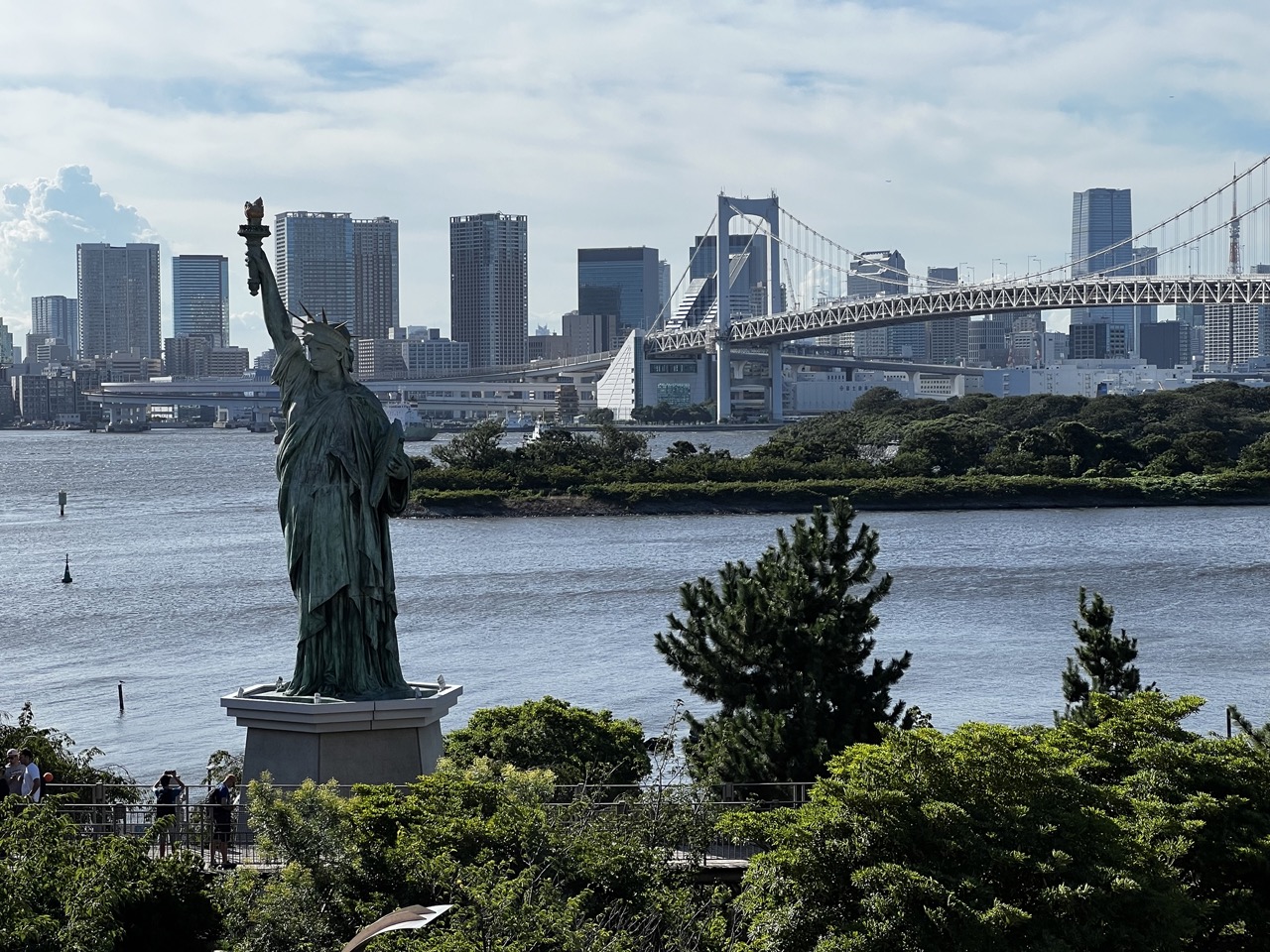
1. Overall Rating (0–10) — 7.0
This photograph captures a striking juxtaposition of cultural iconography and urban landscape, where the Statue of Liberty replica stands as a bold, symbolic centerpiece against the backdrop of Tokyo’s modern skyline. The composition effectively merges the familiar with the unexpected, creating a visually compelling narrative of global influence and urban identity. While the image is rich in context and detail, the slightly muted lighting and busy background reduce its overall emotional punch, keeping it more informative than transcendent.
2. Composition (0–10) — 7.5
The Statue of Liberty is well-placed on the left, creating a strong focal point, while the Rainbow Bridge and cityscape extend into the right, balancing the frame. The foreground foliage adds depth and frames the subject naturally, though the inclusion of people in the lower-left slightly distracts from the central narrative.
3. Lighting (0–10) — 6.5
The lighting is even and natural, with soft clouds diffusing the sunlight, which helps preserve detail across the scene. However, the overcast sky lends a slightly flat quality to the light, diminishing the dramatic contrast that could have elevated the image’s mood.
4. Color & Tone (0–10) — 6.0
The palette is dominated by cool blues and greens, with the verdigris of the statue harmonizing with the surrounding foliage and water. The muted tones of the city skyline provide a subtle contrast, but the lack of vibrant saturation gives the image a somewhat restrained, documentary feel.
5. Creativity (0–10) — 8.0
The conceptual pairing of the Statue of Liberty in Japan is inherently creative, transforming a simple landscape into a commentary on cultural exchange and globalization. The image’s strength lies in its narrative boldness and the way it recontextualizes a globally recognized symbol.
6. Technical Quality (0–10) — 7.5
The image is sharp and well-focused, with clear detail in both the foreground and background. The exposure is balanced, and there are no noticeable technical flaws, though the depth of field could be more controlled to further isolate the subject.
7. Emotional Impact (0–10) — 6.5
The photograph evokes a sense of wonder and curiosity, inviting viewers to reflect on the interplay between identity, place, and cultural symbols. While it succeeds in prompting thought, its emotional resonance is tempered by the visual complexity of the scene, which keeps the viewer from fully immersing in the moment.


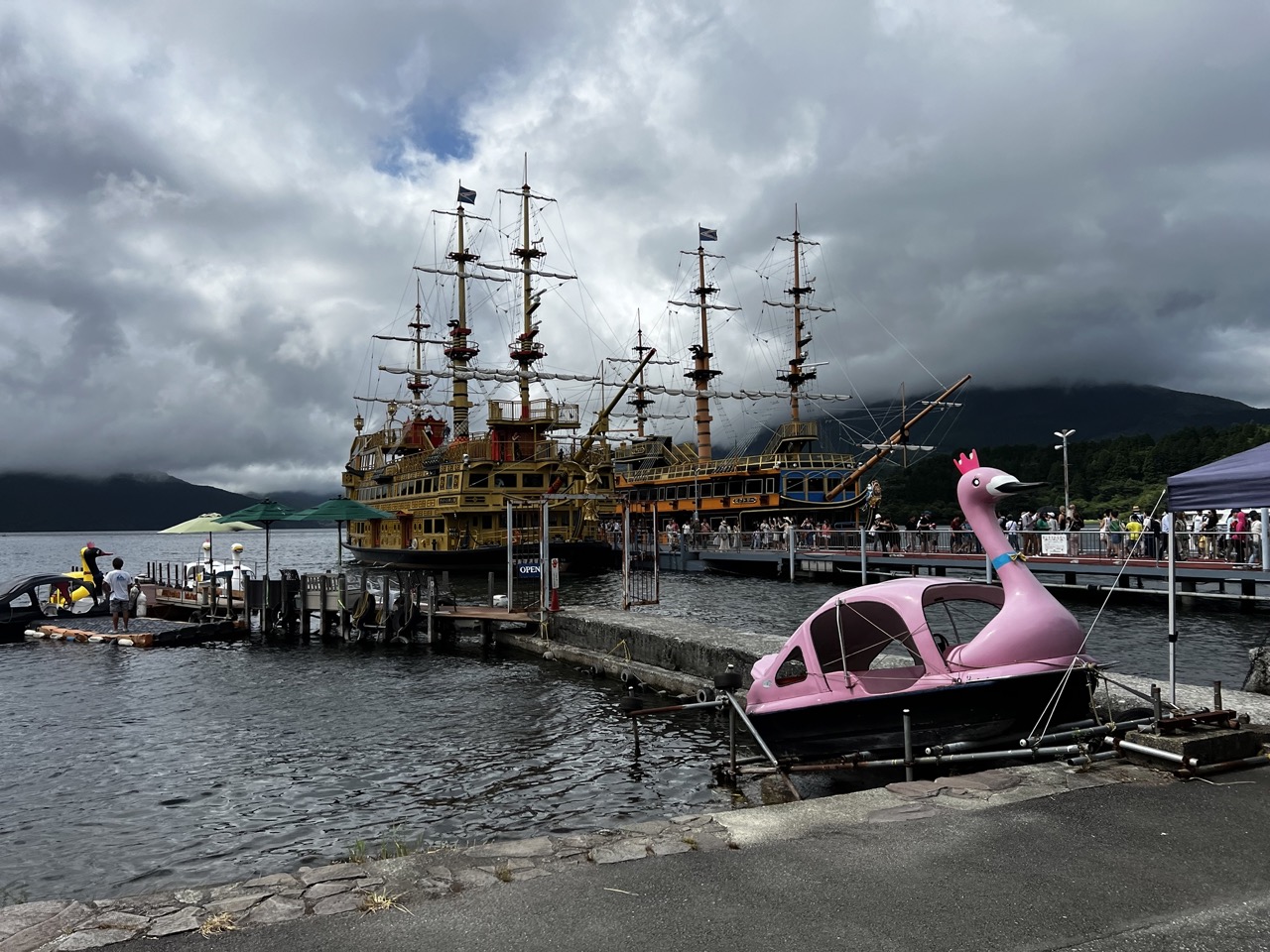
1. Overall Rating (0–10) — 6.0
This photograph presents a whimsical juxtaposition of a grand pirate ship and a pink swan pedal boat, set against a brooding, cloud-laden sky. The contrast between the fantastical vessel and the playful, oversized swan creates a surreal, almost cinematic quality. While the scene is visually engaging and rich in narrative potential, the overcast lighting and slightly cluttered composition dampen its overall impact, leaving it feeling more like a candid snapshot than a polished artistic statement.
2. Composition (0–10) — 6.0
The framing balances the large pirate ship and the pink swan in the foreground, creating a visual dialogue between the two. However, the diagonal lines of the dock and the scattered people on the pier introduce visual clutter, slightly distracting from the main subjects. A tighter crop or more deliberate placement of the swan could enhance compositional harmony.
3. Lighting (0–10) — 5.5
The diffuse, overcast light softens shadows and creates a moody, somber atmosphere, which contrasts with the playful nature of the subjects. While the lighting is even and avoids harsh glare, it also flattens the scene’s depth and reduces the vibrancy of the colors, giving it a somewhat muted quality.
4. Color & Tone (0–10) — 6.5
The dominant gray and blue tones of the sky and water create a dramatic backdrop, which makes the golden hues of the pirate ship and the bold pink of the swan stand out. The color palette is balanced, with the bright pink providing a striking focal point, though the overall tone feels slightly washed out due to the lack of sunlight.
5. Creativity (0–10) — 7.0
The image captures a unique and imaginative scene, blending fantasy with everyday leisure. The contrast between the grand pirate ship and the whimsical swan pedal boat evokes a sense of playful storytelling, suggesting a place where imagination and reality coexist. This conceptual pairing is both original and engaging.
6. Technical Quality (0–10) — 7.0
The image is sharp and well-focused, with clear details visible in both the pirate ship and the swan pedal boat. The exposure is balanced, and there are no noticeable technical flaws. However, the overall image quality is limited by the lack of dynamic lighting and the slightly busy composition.
7. Emotional Impact (0–10) — 5.5
The photograph evokes a sense of wonder and curiosity, inviting the viewer to imagine the stories behind the pirate ship and the swan. However, the somber sky and lack of human interaction in the foreground create a slightly detached, observational feel, limiting the emotional connection. The mood is more contemplative than joyful or nostalgic.


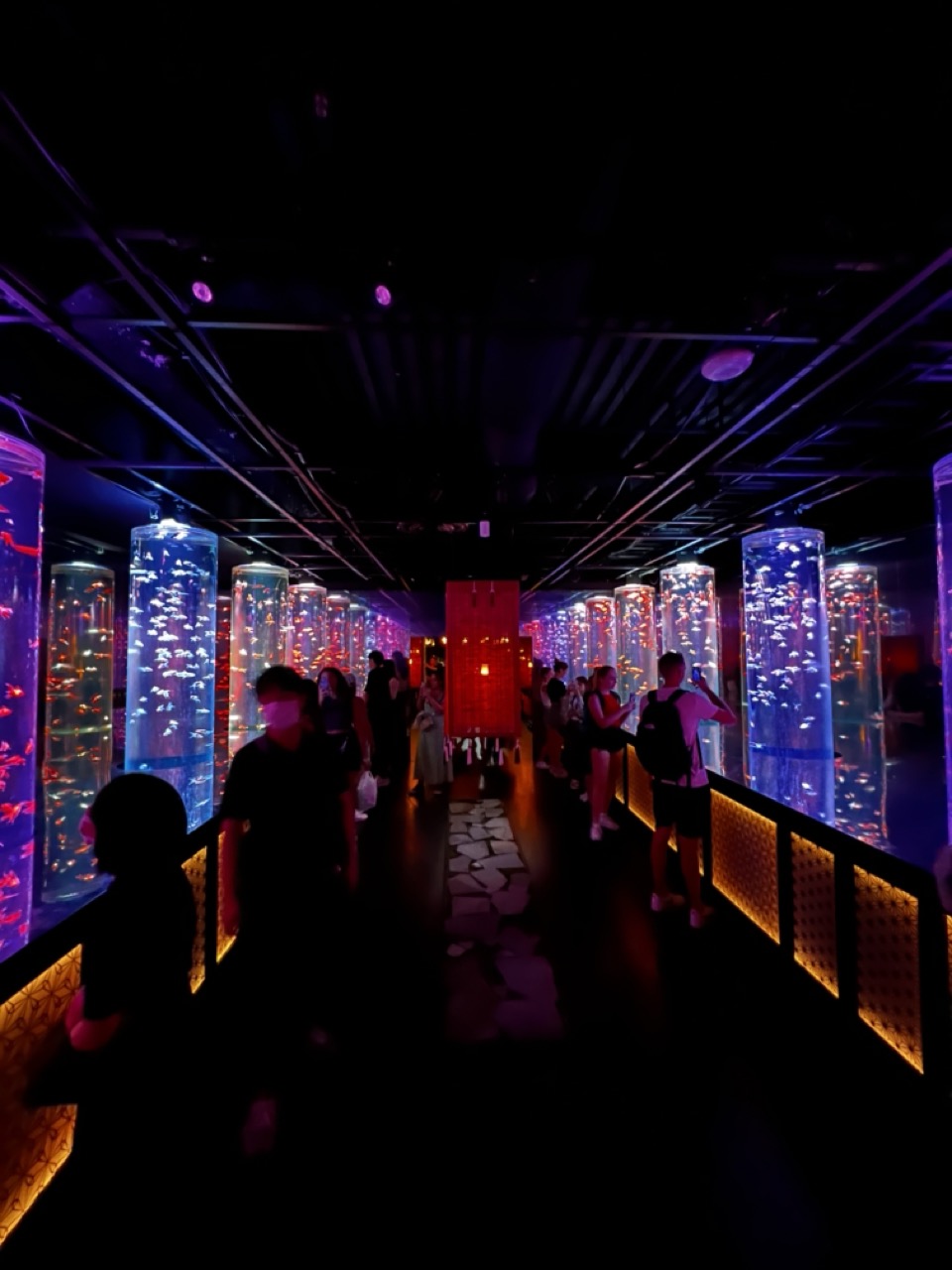
1. Overall Rating (0–10) — 7.0
This photograph captures the immersive, otherworldly atmosphere of a modern aquarium or exhibition space, where light, color, and movement converge to create a sense of wonder. The glowing cylindrical tanks, filled with fish and suspended particles, draw the eye down the dark corridor, while the silhouetted figures add a human scale and sense of exploration. The image succeeds in conveying both the technological elegance of the environment and the quiet awe of its visitors, though the low-light conditions and motion blur slightly diminish its visual clarity.
2. Composition (0–10) — 7.5
The symmetrical arrangement of the cylindrical tanks creates a strong sense of depth and rhythm, guiding the viewer’s gaze down the central walkway. The placement of people along the path adds balance and narrative context, while the central red lantern-like structure serves as a compelling focal point, breaking the monochrome glow of the tanks.
3. Lighting (0–10) — 8.0
The use of colored backlighting on the tanks creates a dramatic and ethereal glow, enhancing the futuristic atmosphere. The contrast between the bright, pulsing lights and the deep black surroundings effectively emphasizes the luminous elements, while the warm underlighting of the railings adds subtle warmth and grounding.
4. Color & Tone (0–10) — 8.5
The palette is dominated by cool blues and purples, punctuated by vibrant reds and warm amber tones, creating a dynamic yet harmonious contrast. The colors feel intentional and immersive, evoking a sense of digital wonder and aquatic mystery, with the tonal range effectively enhancing the image’s atmospheric depth.
5. Creativity (0–10) — 8.0
The concept of a tunnel lined with illuminated cylindrical aquariums is visually striking and imaginative. The composition leverages light, movement, and reflection to transform a simple walkway into an experiential journey, suggesting a deliberate fusion of art, science, and technology.
6. Technical Quality (0–10) — 6.5
While the overall image is visually compelling, the low-light conditions and potential camera shake result in some softness and motion blur, particularly in the silhouetted figures. The focus is adequate, but the lack of sharpness in certain areas detracts from the technical precision.
7. Emotional Impact (0–10) — 7.5
The photograph evokes a sense of curiosity and quiet awe, inviting the viewer to imagine stepping into this luminous world. The combination of human presence and futuristic design creates a subtle emotional resonance—both personal and universal—of exploration and wonder in a space that feels both familiar and alien.


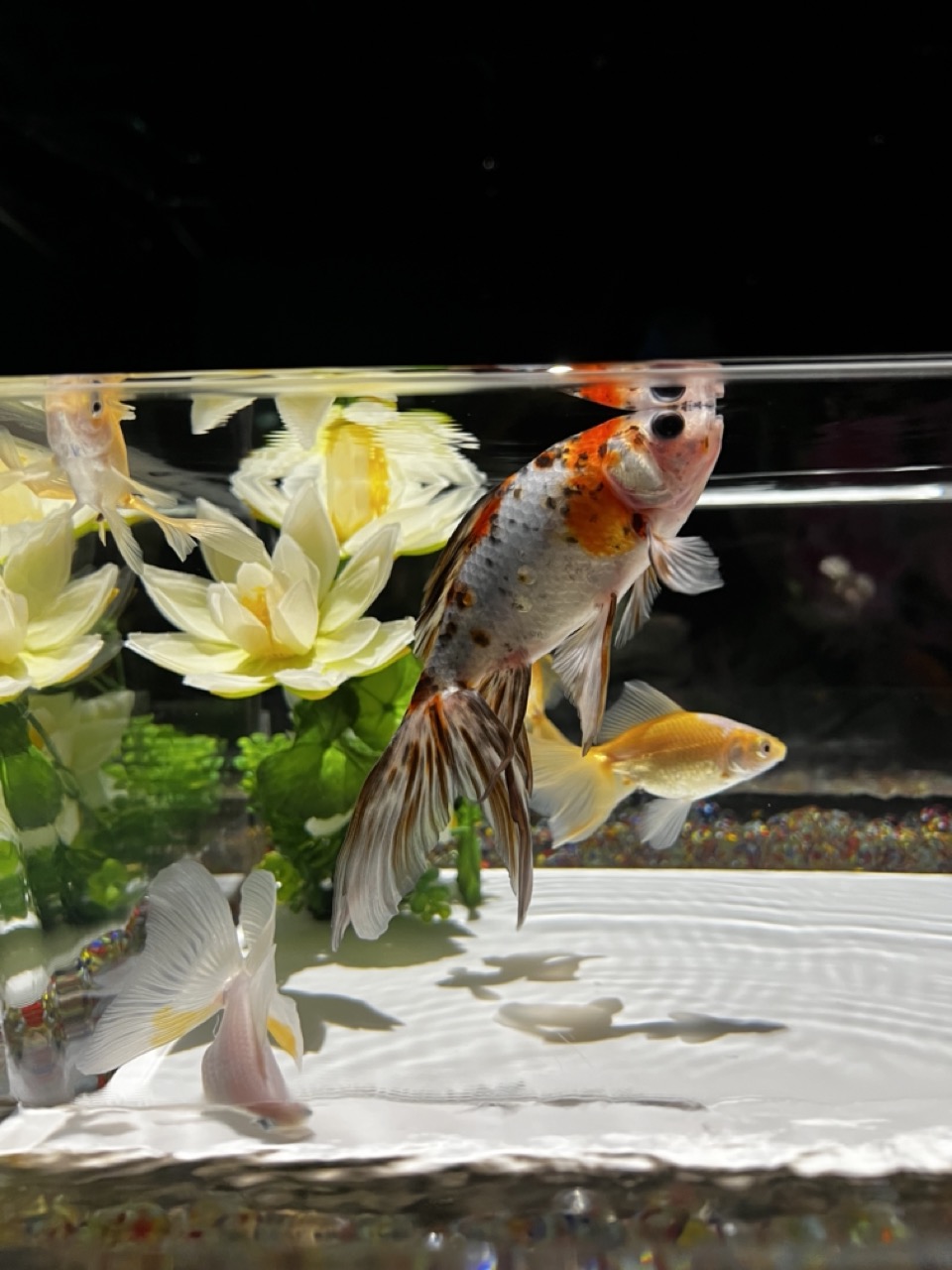
1. Overall Rating (0–10) — 7.2
This photograph captures the serene elegance of a home aquarium, where the gentle movement of goldfish glides through a dreamlike underwater world. The contrast between the vibrant fish and the soft, artificial lotus flowers creates a visually harmonious scene, though the staged quality slightly undermines its naturalism. While the composition and lighting are well-executed, the image feels more like a decorative display than a moment of quiet observation—its beauty is undeniable, but it lacks a deeper emotional pull.
2. Composition (0–10) — 7.0
The central goldfish is well-framed, with the waterline cutting across the image to create visual interest. The placement of the lotus flowers and other fish adds depth and balance, though the foreground reflection slightly disrupts the clarity of the main subject.
3. Lighting (0–10) — 8.0
Soft, diffused lighting enhances the delicate textures of the fish and flowers, with a gentle glow highlighting the main subject. The dark background effectively isolates the aquarium, creating a sense of intimacy and focus.
4. Color & Tone (0–10) — 7.5
The palette blends warm golds and oranges with soft whites and greens, producing a harmonious and calming effect. The contrast between the bright fish and the dark background enhances visual pop, while the subtle tones maintain a tranquil mood.
5. Creativity (0–10) — 6.5
The combination of live fish and artificial elements introduces a whimsical, almost surreal quality. While imaginative, the scene leans toward the predictable, with a decorative aesthetic that prioritizes appearance over narrative depth.
6. Technical Quality (0–10) — 8.0
Sharp focus on the main fish, with clear details in the fins and scales, is complemented by a well-managed depth of field. The water’s clarity and minimal distortion indicate strong technical control.
7. Emotional Impact (0–10) — 6.0
The image evokes calm and quiet contemplation, but the artificial elements and staged setting keep the viewer at a slight remove. It feels more like a peaceful backdrop than an emotionally resonant moment.


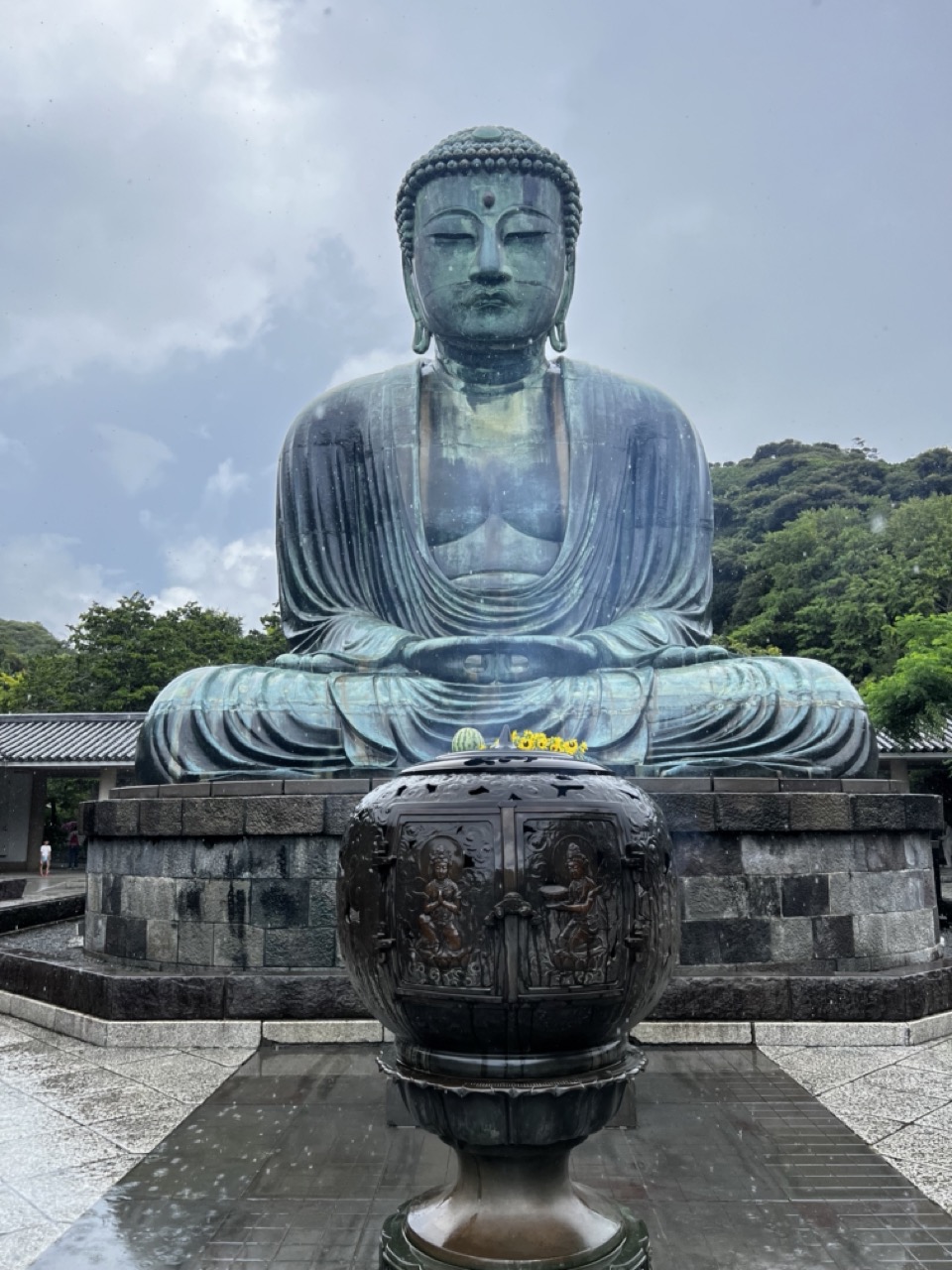
1. Overall Rating (0–10) — 7.5
This photograph captures the serene grandeur of the Great Buddha of Kamakura with a quiet dignity that honors its cultural and spiritual weight. The composition balances the monumental scale of the statue with the intimate presence of the incense burner in the foreground, grounding the image in ritual and reverence. While the overcast sky tempers the mood with a somber tone, the weathered patina of the bronze and the lush green backdrop lend a timeless quality, though the slightly low contrast softens the visual impact.
2. Composition (0–10) — 7.0
The Buddha is centered and dominates the frame, creating a strong focal point, while the incense burner in the foreground adds depth and a sense of place. The diagonal lines of the stone platform and the surrounding pavement guide the eye toward the subject, though the slightly cluttered base and overhanging eaves on the left edge distract slightly from the symmetry.
3. Lighting (0–10) — 6.0
Diffused light from the overcast sky softens shadows and evenly illuminates the statue, minimizing harsh contrasts. While this creates a calm, contemplative mood, it also flattens the texture of the bronze and reduces the visual drama of the scene.
4. Color & Tone (0–10) — 7.0
The muted palette of verdigris green, slate gray, and soft green foliage creates a harmonious, meditative tone. The yellow flowers on the statue add a subtle pop of color that draws attention without disrupting the overall tranquility. The tone is slightly cool, which enhances the sense of solemnity.
5. Creativity (0–10) — 7.5
The image successfully blends reverence with a sense of narrative, using the incense burner as a visual and symbolic entry point into the sacred space. The framing feels intentional and respectful, emphasizing both the scale and the quiet spirituality of the moment.
6. Technical Quality (0–10) — 8.0
The image is sharp and well-focused, with fine detail visible in the bronze texture and carved incense burner. The exposure is balanced, and the depth of field effectively isolates the Buddha from the background, despite the overcast conditions.
7. Emotional Impact (0–10) — 8.0
There is a profound sense of peace and awe evoked by the stillness of the Buddha and the quiet reverence of the setting. The viewer is invited to pause and reflect, making the image emotionally resonant and spiritually moving.


1. Overall Rating (0–10) — 8.0
This photograph captures the serene beauty of a lotus flower in full bloom, with dew-drenched petals and a vibrant yellow seed pod that draws the eye. The composition balances natural elegance and detail, highlighting the flower’s intricate structure against the lush green backdrop. While the image is visually rich and harmonious, its simplicity borders on conventional, preventing it from feeling truly transcendent.
2. Composition (0–10) — 8.0
The flower is centered with strong visual focus, framed by large green leaves that create a natural, balanced border. The inclusion of the dried lotus seed pod in the background adds narrative depth and visual contrast without distracting from the main subject.
3. Lighting (0–10) — 9.0
Bright, natural sunlight enhances the vividness of the colors and highlights the water droplets on the petals, creating a fresh, dewy effect. The light is even and soft enough to avoid harsh shadows, emphasizing texture and detail.
4. Color & Tone (0–10) — 9.0
The contrast between the soft pink petals, radiant yellow center, and deep green leaves is striking and harmonious. The colors feel rich and naturally saturated, with a warm tone that enhances the organic, peaceful mood.
5. Creativity (0–10) — 7.0
The image presents a classic botanical subject with a strong sense of clarity and focus. While the framing and subject are familiar, the attention to detail and the inclusion of the seed pod suggest a thoughtful narrative about life cycles.
6. Technical Quality (0–10) — 9.0
Sharp focus on the flower’s center, excellent clarity, and well-controlled depth of field highlight the intricate textures of the petals and stamen. The image is technically flawless, with no visible noise or distortion.
7. Emotional Impact (0–10) — 8.0
The photograph evokes a sense of calm and renewal, with the lotus symbolizing purity and resilience. The dewdrops and soft light lend a meditative quality, inviting quiet contemplation and emotional connection to nature.


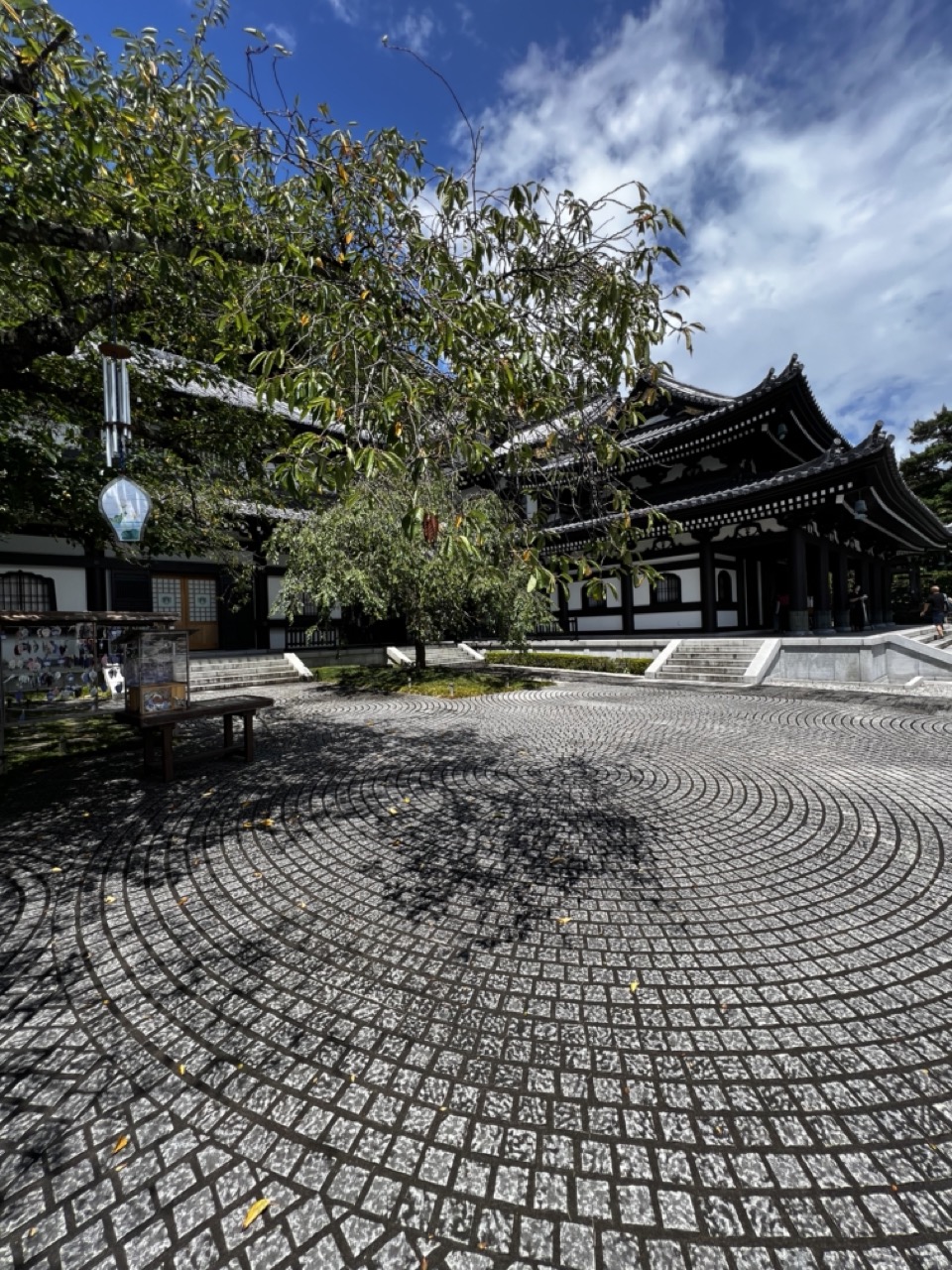
1. Overall Rating (0–10) — 7.8
This photograph captures the serene stillness of a traditional Japanese temple courtyard, where architecture and nature coexist in quiet harmony. The circular stone pattern draws the eye toward the elegant, dark-tiled roofline, while dappled sunlight and lush greenery infuse the scene with life and depth. The image’s strength lies in its balance between structure and organic form, though a slightly warmer tone might enhance its meditative quality.
2. Composition (0–10) — 8.0
The circular paving pattern creates a strong leading line, guiding the viewer’s gaze toward the temple entrance. The low-angle perspective emphasizes the grandeur of the building, while the overhanging branches frame the scene naturally, adding depth and balance.
3. Lighting (0–10) — 8.5
Bright, natural sunlight enhances the textures of the stone and wood, casting crisp shadows that accentuate the circular design. The contrast between sunlit areas and shaded foliage adds dimension and visual interest.
4. Color & Tone (0–10) — 7.5
The deep blue sky and rich green leaves create a vibrant contrast with the dark architecture and gray stone. The tonal range is well-balanced, though the cool white balance slightly tempers the warmth of the scene.
5. Creativity (0–10) — 8.0
The use of the circular pavement as a compositional anchor is both intentional and poetic, echoing traditional Japanese garden design. The juxtaposition of natural elements with man-made structures reflects a thoughtful narrative of harmony and contemplation.
6. Technical Quality (0–10) — 8.5
The image is sharp and detailed, with excellent clarity in the textures of the stone, wood, and foliage. The focus is consistent across the frame, and the exposure is well-managed despite the bright sky.
7. Emotional Impact (0–10) — 8.0
The photograph evokes a sense of peace and timelessness, inviting the viewer to pause and reflect. The quiet emptiness of the courtyard, combined with the presence of the temple, stirs a deep appreciation for cultural serenity and architectural beauty.


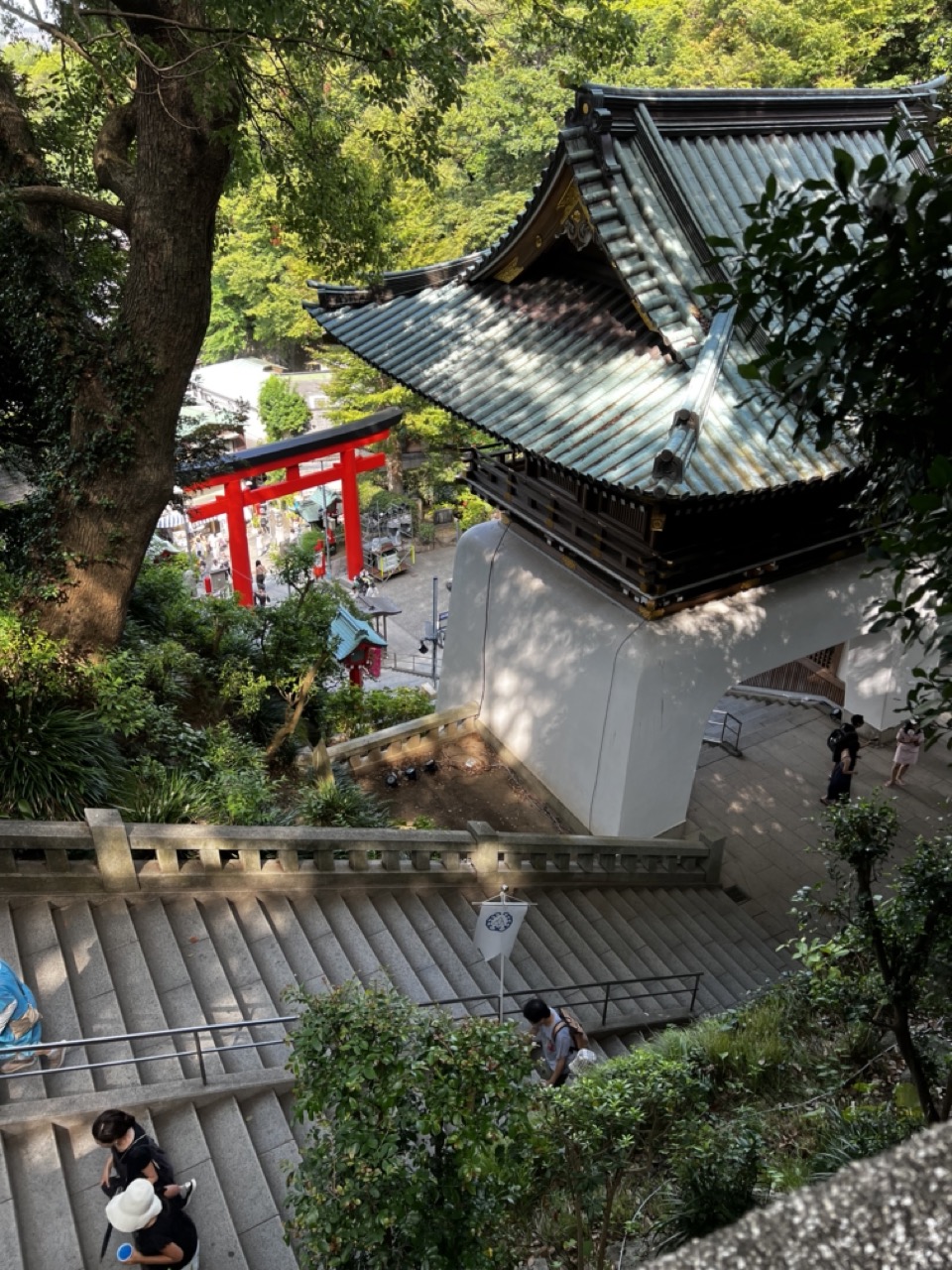
1. Overall Rating (0–10) — 7.0
This photograph captures the serene interplay between nature and tradition at a Japanese shrine, where stone steps lead the eye toward a vibrant red torii gate framed by lush greenery. The high-angle perspective offers a sense of immersion, inviting the viewer to descend into the scene, while the interplay of light and shadow enhances the depth and atmosphere. Though the composition is strong, the inclusion of too many elements—such as the overhanging tree and distant visitors—slightly dilutes the focus on the central shrine structure.
2. Composition (0–10) — 7.0
The diagonal lines of the staircase guide the eye naturally toward the red torii and the temple roof, creating a dynamic yet balanced structure. The framing by the tree on the left and the foliage on the right adds depth and enclosure, though the inclusion of the lower-right corner slightly disrupts the visual flow.
3. Lighting (0–10) — 7.0
Dappled sunlight filters through the canopy, casting soft shadows that accentuate texture and form across the stone steps and roof tiles. The natural light enhances the organic feel of the scene while maintaining clarity and detail throughout the frame.
4. Color & Tone (0–10) — 7.5
The contrast between the vibrant red torii and the verdant greens creates a striking focal point, while the neutral tones of the stone and roof provide a grounding balance. The color palette feels authentic and harmonious, reinforcing the cultural and natural context.
5. Creativity (0–10) — 7.0
The elevated viewpoint offers a unique perspective on a familiar scene, transforming a simple ascent into a visual journey. The inclusion of people adds life and scale, suggesting a living tradition rather than a static monument.
6. Technical Quality (0–10) — 8.0
Sharp focus across the image, with excellent clarity in both foreground and background elements. The exposure is well-managed, preserving detail in both highlights and shadows without noticeable noise.
7. Emotional Impact (0–10) — 7.5
The image evokes a sense of peace and reverence, inviting contemplation of the quiet rituals of daily life in a sacred space. The blend of human presence and natural beauty creates a subtle emotional resonance, suggesting continuity and tranquility.


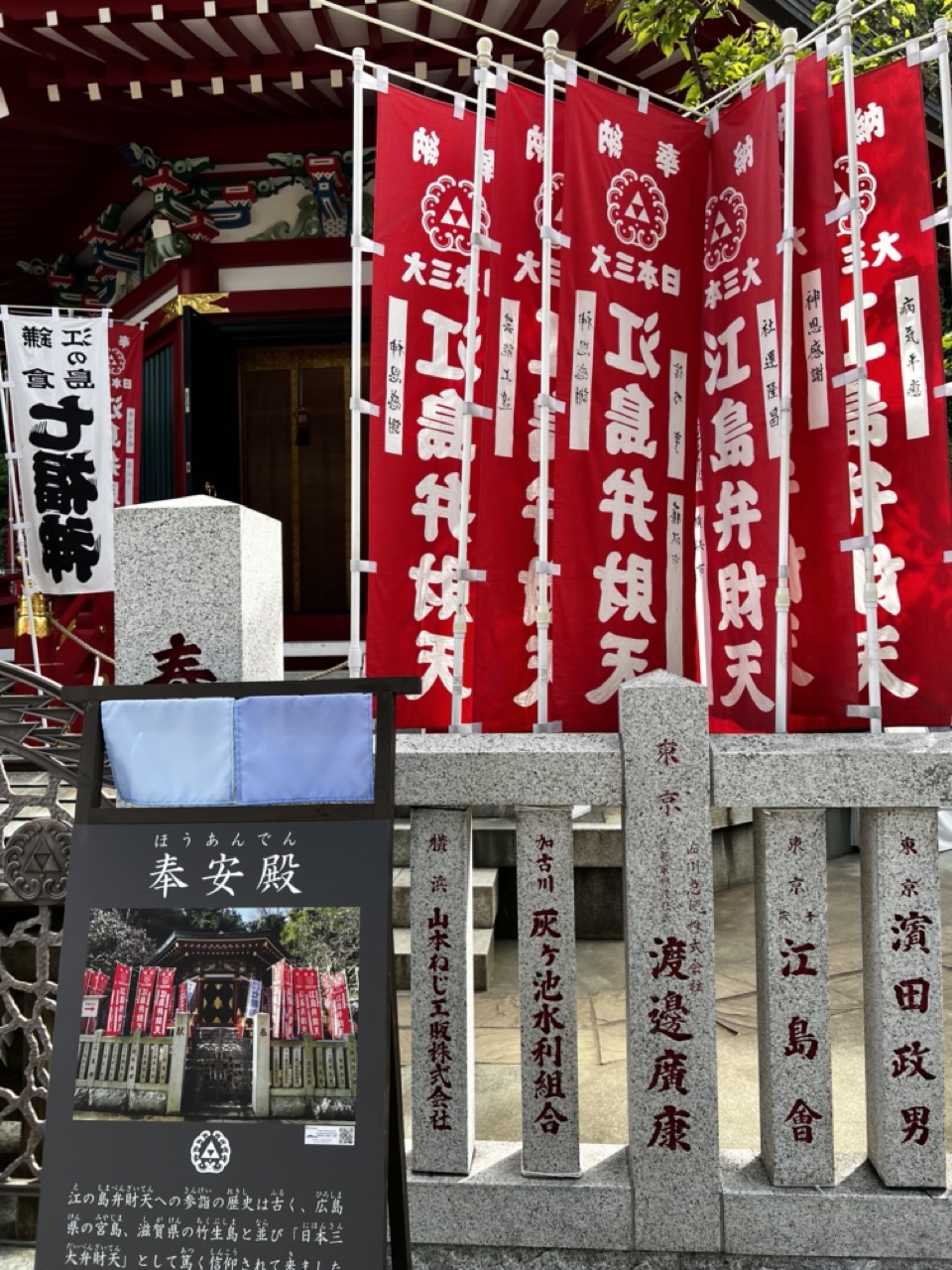
1. Overall Rating (0–10) — 7.0
This photograph captures the vibrant energy of a Shinto shrine during a ceremonial season, where tradition and community pride are visibly on display. The bold red banners and ceremonial inscriptions convey a sense of cultural depth and ritual significance, while the framing through the stone lanterns and signage grounds the scene in authenticity. While the image is rich in detail, the dense arrangement of text and objects slightly overwhelms the viewer, reducing the visual clarity of the shrine’s architectural beauty.
2. Composition (0–10) — 6.0
The frame is cluttered with overlapping banners and signage, creating a busy foreground that competes for attention. The central shrine entrance is partially obscured, and the diagonal lines of the banners disrupt visual harmony.
3. Lighting (0–10) — 7.0
Natural daylight evenly illuminates the scene, enhancing the vivid reds of the banners and the texture of the stone. The soft shadows suggest a slightly overcast day, which prevents harsh contrasts and allows the details of the inscriptions to remain legible.
4. Color & Tone (0–10) — 7.5
The dominant red and white palette creates a strong visual contrast, evoking energy and ceremonial importance. The muted tones of the stone and wood provide a grounding balance, enhancing the cultural authenticity of the setting.
5. Creativity (0–10) — 6.5
The image effectively documents a cultural moment with a focus on detail and authenticity. While it lacks a strong artistic reinterpretation, the layered composition reflects the layered traditions of the shrine.
6. Technical Quality (0–10) — 8.0
Sharp focus and clear detail across the frame, particularly in the inscriptions and textures of the stone and fabric. The exposure is well-balanced, with no areas of blown-out highlights or lost shadows.
7. Emotional Impact (0–10) — 6.5
The photograph conveys a sense of reverence and communal pride, but the overwhelming amount of text and visual elements prevents a deeper emotional connection. The viewer is invited to observe, but not to feel.


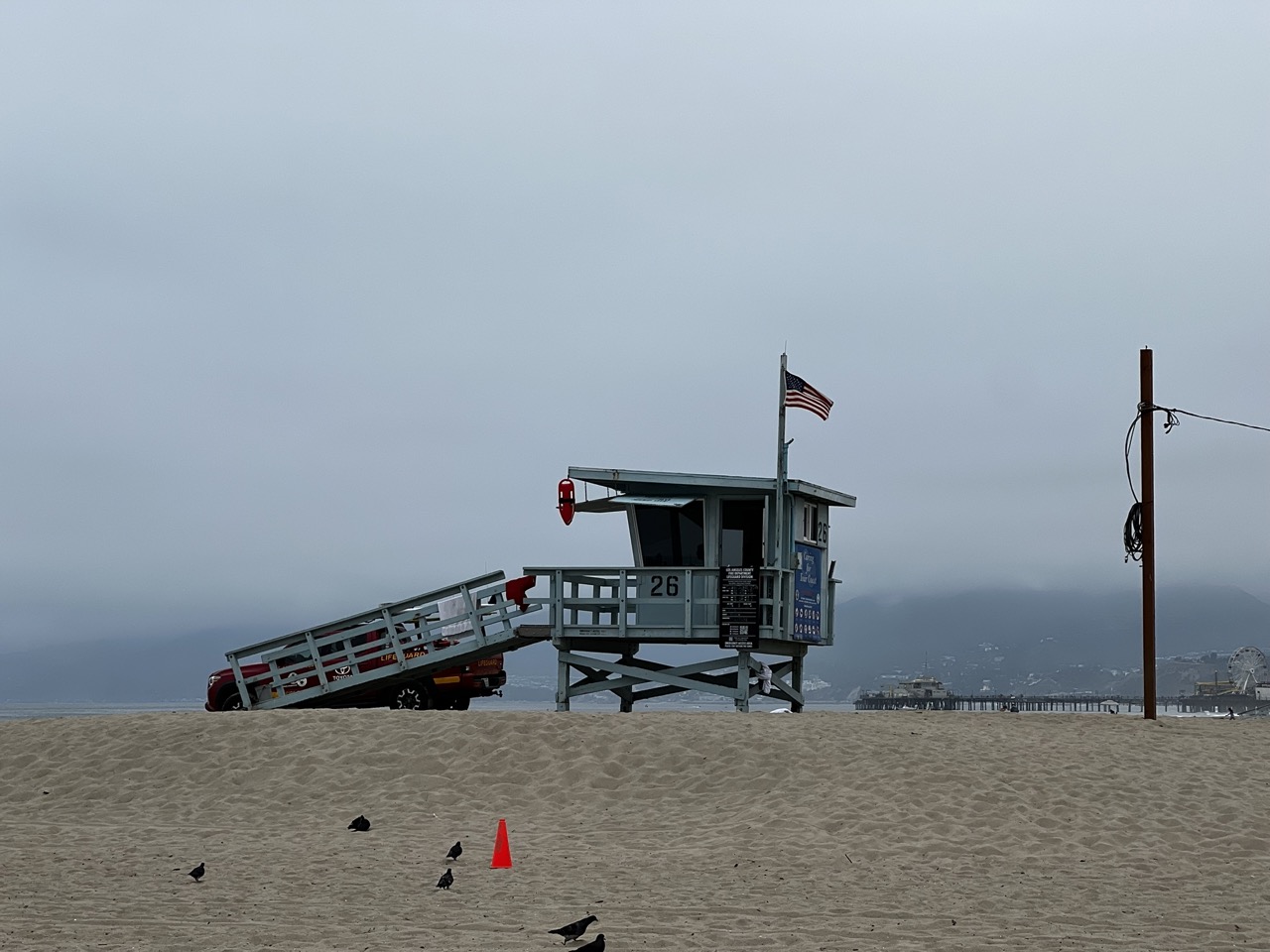
1. Overall Rating (0–10) — 6.0
This photograph captures a somber, overcast day at the beach, where the muted tones and quiet stillness evoke a sense of isolation and calm. The lifeguard tower and stranded truck create a subtle narrative of stillness and human absence, while the distant pier and foggy horizon add depth and mystery. Though the image is atmospheric, it lacks visual dynamism, and the flat lighting dampens the emotional resonance, leaving the scene feeling more like a snapshot than a compelling story.
2. Composition (0–10) — 6.5
The lifeguard tower and truck form a strong diagonal line that guides the eye across the frame, while the scattered birds and traffic cone add subtle points of interest. The wide-angle perspective emphasizes the vastness of the beach, though the placement of the utility pole on the right creates a slight imbalance.
3. Lighting (0–10) — 5.0
Diffused, overcast light flattens the scene, reducing contrast and depth. While this contributes to the mood, it also diminishes texture and detail in the sand and structures.
4. Color & Tone (0–10) — 5.5
The palette is dominated by cool grays and muted earth tones, with the American flag and orange cone providing minor pops of color. The overall tonal range is narrow, giving the image a subdued and melancholic feel.
5. Creativity (0–10) — 6.0
The juxtaposition of the lifeguard truck and the empty beach suggests a quiet, almost post-apocalyptic moment. The inclusion of the distant pier and foggy hills adds narrative potential, though the image stops short of fully realizing its conceptual strength.
6. Technical Quality (0–10) — 7.0
The image is sharp and well-exposed, with clear detail in the sand and structures. The focus is consistent across the frame, and the lack of harsh shadows or blown highlights reflects solid technical control.
7. Emotional Impact (0–10) — 5.5
The atmosphere is contemplative and slightly melancholic, evoking a sense of stillness and quiet solitude. While the mood is present, it remains restrained, and the viewer is left with a sense of observation rather than emotional engagement.


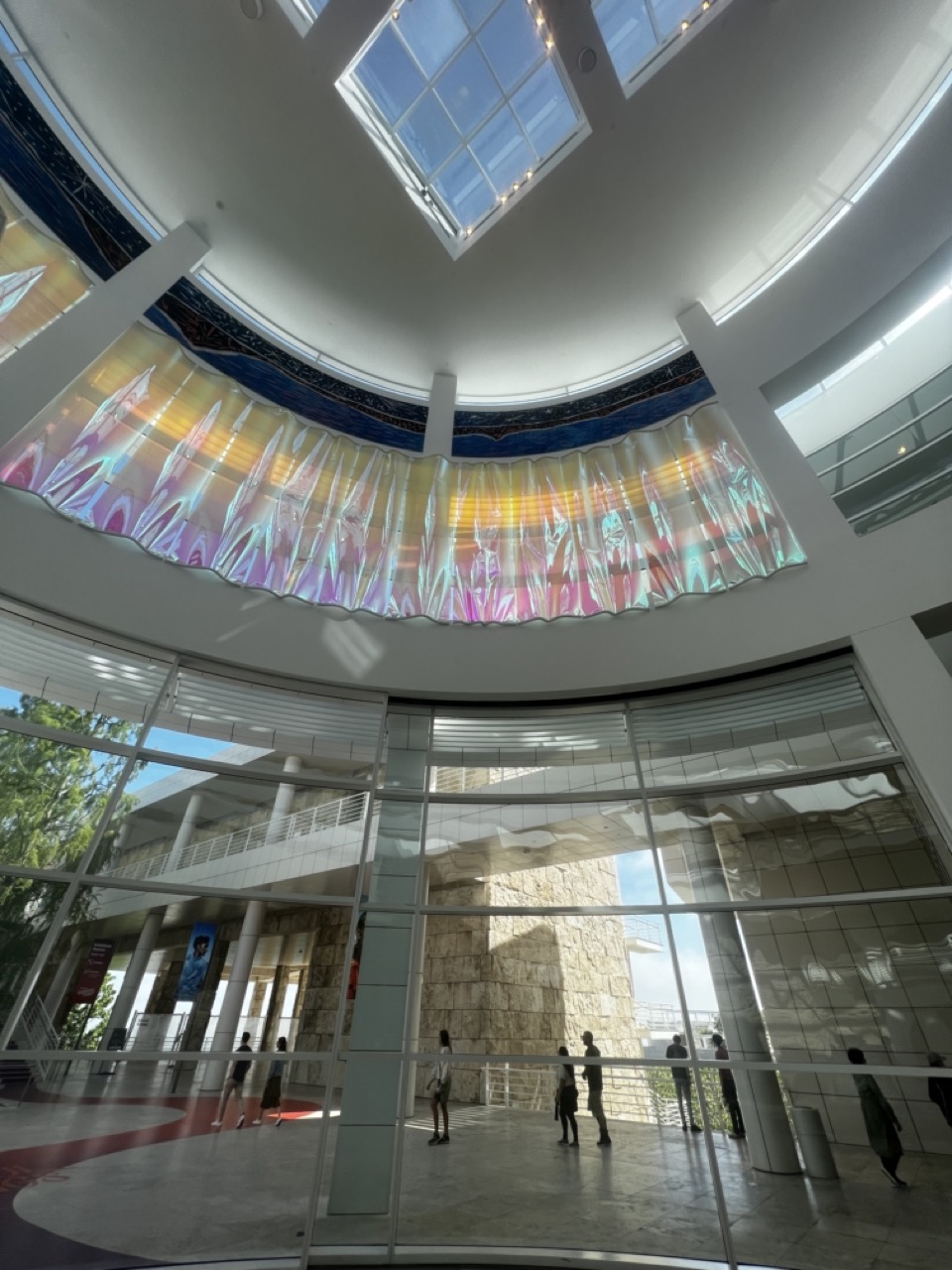
1. Overall Rating (0–10) — 8.0
This photograph captures the awe-inspiring interplay of light and architecture within a grand, circular atrium, where a vibrant, iridescent canopy transforms natural daylight into a dynamic, colorful spectacle. The upward perspective emphasizes the scale and elegance of the space, while the silhouetted figures provide a sense of human presence without disrupting the visual harmony. The image balances architectural precision with artistic atmosphere, though the slightly overexposed sky and flat foreground edges slightly detract from its overall impact.
2. Composition (0–10) — 8.5
The low-angle framing emphasizes the grandeur of the dome and the expansive canopy, creating a strong sense of verticality and symmetry. The curved glass walls and structural columns guide the eye toward the central artwork, while the silhouetted figures add scale and narrative context without overwhelming the composition.
3. Lighting (0–10) — 9.0
Natural light streams through the skylight and glass walls, illuminating the iridescent fabric with a radiant, shifting glow. The interplay of direct sunlight and diffused reflections creates depth and dimension, enhancing the ethereal quality of the installation. The lighting feels both natural and cinematic, perfectly complementing the architectural drama.
4. Color & Tone (0–10) — 9.0
The palette is rich and luminous, with the holographic sheen of the canopy producing a spectrum of soft pinks, purples, yellows, and blues that contrast beautifully against the neutral tones of the white ceiling and stone walls. The tonal range is well-balanced, with the bright highlights enhancing the sense of light and movement.
5. Creativity (0–10) — 9.0
The photograph captures a moment where architecture, light, and materiality converge into a visually poetic experience. The choice to frame the scene from below and focus on the canopy’s interplay with natural light demonstrates a strong artistic vision, turning a functional space into a moment of wonder and contemplation.
6. Technical Quality (0–10) — 8.5
The image is sharp and clear, with fine detail visible in the texture of the fabric, the glass, and the stone. The dynamic range is well-managed, though the sky in the upper left shows slight overexposure. The focus is consistent across the frame, and the perspective is controlled, suggesting careful attention to technical execution.
7. Emotional Impact (0–10) — 8.5
The image evokes a sense of wonder, serenity, and awe—qualities amplified by the play of light and the open, airy space. The viewer is invited to pause and reflect, drawn into the quiet beauty of the moment. The human silhouettes add a touch of intimacy, grounding the grandeur in a relatable experience.